

Hey there! As a supplier of Vertical Multistage Pumps, I often get asked about the corrosion resistance of these pumps. So, let's dive right in and explore what makes these pumps resistant to corrosion.
First off, let's understand what corrosion is. Corrosion is basically the deterioration of a material, usually a metal, due to a chemical reaction with its environment. In the case of pumps, this can be a real headache because it can lead to reduced performance, leaks, and even complete pump failure. And when you're dealing with water or other fluids that might contain corrosive substances, corrosion becomes a major concern.
Now, Vertical Multistage Pumps are designed with corrosion resistance in mind. One of the key factors that contribute to their corrosion resistance is the materials used in their construction. These pumps are often made from high - quality stainless steel. Stainless steel is an alloy that contains chromium, which forms a thin, protective oxide layer on the surface of the metal. This oxide layer acts as a barrier, preventing oxygen and other corrosive agents from reaching the underlying metal and causing corrosion.
For example, the impellers, which are the rotating parts of the pump that move the fluid, are typically made of stainless steel. This not only ensures their durability but also allows them to handle a wide range of fluids, including those that might be slightly acidic or alkaline. The casing of the pump, which houses the impellers and other components, is also often made of stainless steel. This provides an extra layer of protection against corrosion from the outside environment as well as from the fluid being pumped.
Another aspect that affects the corrosion resistance of Vertical Multistage Pumps is the surface finish. A smooth surface finish can reduce the likelihood of corrosion. When the surface of the pump components is smooth, there are fewer places for corrosive agents to accumulate and start the corrosion process. Manufacturers of these pumps pay close attention to the surface finish during the production process to ensure that the pumps have the best possible corrosion resistance.
In addition to the materials and surface finish, the design of the Vertical Multistage Pump also plays a role in its corrosion resistance. These pumps are designed to have a continuous flow of fluid through them. This helps to prevent the buildup of stagnant fluid, which can be a breeding ground for corrosion. When the fluid is constantly moving, it is less likely to cause corrosion on the pump components.
Moreover, Vertical Multistage Pumps are often used in applications where they need to handle different types of fluids. For instance, in water treatment plants, they might be used to pump water that has been treated with chemicals. These chemicals can sometimes be corrosive, but the corrosion - resistant design of the pump allows it to handle them without significant damage.
However, it's important to note that the corrosion resistance of a Vertical Multistage Pump is not absolute. The level of corrosion resistance can be affected by several factors. The type and concentration of the fluid being pumped are crucial. If the fluid contains high levels of corrosive substances such as acids, alkalis, or salts, the pump may be more prone to corrosion. The temperature of the fluid also matters. Higher temperatures can accelerate the corrosion process.
To ensure the long - term corrosion resistance of the pump, proper maintenance is essential. Regular inspections can help to detect any signs of corrosion early on. If corrosion is detected, it can be addressed before it causes serious damage to the pump. This might involve cleaning the pump components, applying protective coatings, or replacing corroded parts.
Now, let's compare Vertical Multistage Pumps with other types of pumps in terms of corrosion resistance. For example, the Single - Stage Single Suction Pipeline Centrifugal Pump is another popular type of pump. While it also has its own advantages, Vertical Multistage Pumps generally offer better corrosion resistance due to their construction materials and design. The multistage design of the Vertical Multistage Pump allows for a more efficient handling of fluids, which can also contribute to its corrosion resistance.
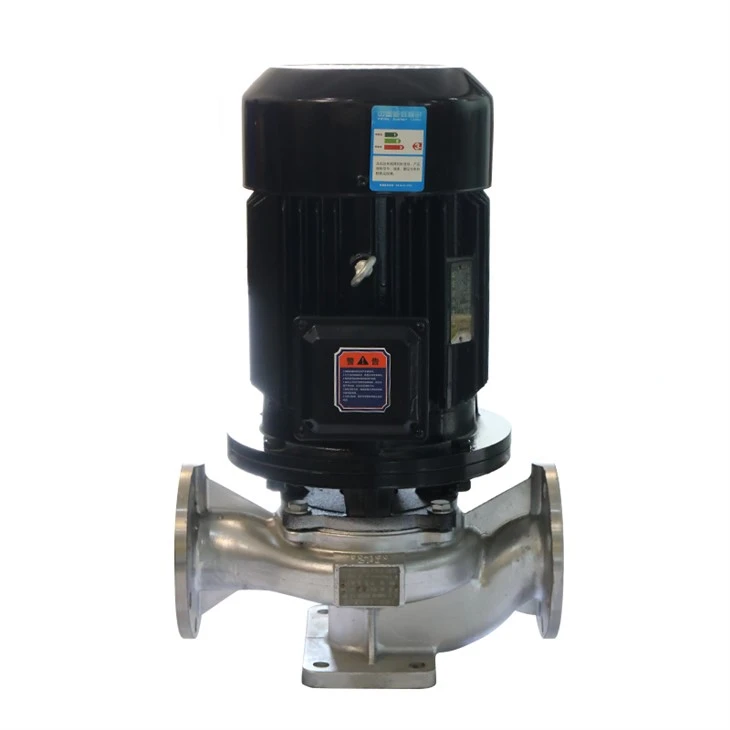

The Pipeline Circulation Pump is also used in many applications. But again, the Vertical Multistage Pump's corrosion - resistant features make it a better choice in situations where corrosion is a concern. The ability of the Vertical Multistage Pump to handle a variety of fluids and its robust construction give it an edge over other pumps in terms of withstanding corrosion.
If you're in the market for a pump and corrosion resistance is one of your top priorities, then a Vertical Multistage Pump is definitely worth considering. Whether you're in the water treatment industry, the chemical industry, or any other industry that requires the pumping of fluids, these pumps can provide reliable and long - lasting service.
We, as a supplier of Vertical Multistage Pumps, are committed to providing high - quality products with excellent corrosion resistance. Our pumps are designed and manufactured to meet the highest standards, and we have a team of experts who can help you choose the right pump for your specific application.
If you're interested in learning more about our Vertical Multistage Pumps or have any questions regarding their corrosion resistance or other features, don't hesitate to reach out. We're here to assist you in making the best decision for your pumping needs. Let's have a chat and see how we can work together to solve your pumping challenges.
References
- "Pump Handbook" by Igor J. Karassik et al.
- "Corrosion Engineering" by Fontana and Greene.