

When it comes to managing water in basements, flooded areas, or other sumps, self-priming sump pumps are a popular and effective solution. One of the most crucial factors to consider when selecting a self-priming sump pump is its flow rate. In this blog, we'll explore what the flow rate of a self-priming sump pump is, how it's measured, and why it matters. As a leading supplier of self-priming sump pumps, we understand the importance of having accurate information to make informed decisions.
What is Flow Rate?
Flow rate, in the context of a self-priming sump pump, refers to the volume of water that the pump can move within a specific period. It is typically measured in gallons per minute (GPM) or liters per minute (LPM) in metric systems. Essentially, the flow rate indicates how quickly the pump can remove water from a sump or flooded area. A higher flow rate means the pump can clear water faster, which is particularly important in situations where there is a large volume of water to be removed or where water is entering the sump at a rapid pace.
How is Flow Rate Measured?
The flow rate of a self-priming sump pump is determined through standardized testing procedures. Manufacturers use a test setup that mimics real-world conditions as closely as possible. The pump is connected to a water source, and the amount of water it pumps out over a set period is measured. This measurement is then used to calculate the flow rate in GPM or LPM.
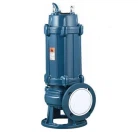

It's important to note that the flow rate can vary depending on several factors, including the pump's design, the size of the inlet and outlet pipes, the total dynamic head (the combination of the vertical lift and the friction loss in the pipes), and the viscosity of the fluid being pumped. For example, a pump may have a higher flow rate when pumping water compared to a more viscous liquid.
Why Does Flow Rate Matter?
The flow rate of a self-priming sump pump is a critical factor in determining its effectiveness for a specific application. Here are some reasons why it matters:
- Flood Prevention: In areas prone to flooding or where basements are at risk of water intrusion, a pump with a high flow rate can help prevent water damage by quickly removing excess water. This can save homeowners and businesses from costly repairs and downtime.
- Efficiency: A pump with an appropriate flow rate will operate more efficiently, using less energy to move the same volume of water compared to a pump with a lower flow rate. This can result in lower energy bills and reduced environmental impact.
- System Compatibility: The flow rate of the pump must be compatible with the size of the sump and the rate at which water enters it. If the flow rate is too low, the sump may overflow, while a flow rate that is too high can cause the pump to cycle on and off too frequently, leading to premature wear and tear.
Factors Affecting Flow Rate
As mentioned earlier, several factors can affect the flow rate of a self-priming sump pump. Let's take a closer look at some of these factors:
- Pump Design: The design of the pump, including the impeller type and size, plays a significant role in determining its flow rate. A larger impeller or a more efficient impeller design can increase the pump's ability to move water.
- Pipe Size: The size of the inlet and outlet pipes can also impact the flow rate. Larger pipes generally allow for a higher flow rate, as they reduce the friction loss in the system. However, it's important to ensure that the pump is designed to work with the pipe size being used.
- Total Dynamic Head: The total dynamic head is the sum of the vertical lift (the height the water needs to be pumped) and the friction loss in the pipes. As the total dynamic head increases, the flow rate of the pump decreases. This means that a pump may have a different flow rate at different installation heights or with different pipe lengths.
- Fluid Viscosity: The viscosity of the fluid being pumped can affect the flow rate. Thicker fluids, such as sewage or slurry, require more energy to move and can reduce the pump's flow rate. Some self-priming sump pumps are specifically designed to handle high-viscosity fluids, such as the Pipeline Non-Clogging Sewage Pump, which is designed to prevent clogging and maintain a consistent flow rate.
Selecting the Right Flow Rate
Choosing the right flow rate for your self-priming sump pump depends on several factors, including the size of the sump, the rate at which water enters the sump, and the specific application. Here are some steps to help you select the appropriate flow rate:
- Determine the Water Inflow Rate: Estimate the maximum rate at which water enters the sump. This can be done by observing the sump during heavy rainfall or by consulting with a professional.
- Consider the Sump Size: The size of the sump also plays a role in determining the required flow rate. A larger sump may require a pump with a higher flow rate to keep up with the incoming water.
- Account for Future Expansion: If you anticipate an increase in water inflow or a change in the application in the future, it's a good idea to choose a pump with a slightly higher flow rate than currently required.
- Consult with a Professional: If you're unsure about the appropriate flow rate for your application, it's always a good idea to consult with a professional pump supplier or installer. They can help you assess your needs and recommend the right pump for your situation.
Our Self-Priming Sump Pumps
As a leading supplier of self-priming sump pumps, we offer a wide range of pumps with different flow rates to meet the needs of various applications. Our pumps are designed with high-quality materials and advanced technology to ensure reliable performance and long service life. Some of our popular products include the Self-Priming Sewage Pump and the Upright Non-Clogging Sewage Pump. These pumps are engineered to handle sewage and other high-viscosity fluids with ease, providing a reliable solution for wastewater management.
Contact Us for Purchasing and Consultation
If you're in the market for a self-priming sump pump and need assistance in selecting the right flow rate for your application, our team of experts is here to help. We can provide you with detailed information about our products, answer your questions, and offer personalized recommendations based on your specific needs. Whether you're a homeowner looking to protect your basement from flooding or a business owner in need of a reliable wastewater management solution, we have the expertise and products to meet your requirements.
Don't hesitate to contact us for a consultation and to discuss your purchasing options. We're committed to providing our customers with the highest quality products and excellent customer service. Let us help you find the perfect self-priming sump pump for your needs.
References
- Latimer, Mark. Pump Handbook. McGraw-Hill, 2004.
- Karassik, Irving J., et al. Pump Handbook. McGraw-Hill, 2008.