

Hey there! As a supplier of priming chemical pumps, I get asked all the time, "How do I choose the right priming chemical pump for my needs?" Well, you're in the right place. I'm gonna break it down for you in this blog post.
Understanding Your Requirements
First things first, you gotta understand what you need the pump for. There are a bunch of factors to consider, like the type of chemical you're pumping, the flow rate, the pressure, and the temperature.
Chemical Compatibility
The chemical you're pumping is super important. Different chemicals have different properties, and you need a pump that can handle them. For example, if you're pumping a corrosive chemical like acid or alkali, you'll need a pump that's made of materials that can resist corrosion. Our Acid and Alkali Resistant In -tank Vertical Pump is a great option for this kind of job. It's designed to handle all sorts of acidic and alkaline chemicals without getting damaged.
On the other hand, if you're pumping a chemical that's abrasive, like mortar, you'll need a pump that can withstand the wear and tear. Our Corrosion-resistant and Abrasion-resistant Mortar Pump is built tough to handle abrasive materials. It's made with special materials that can resist both corrosion and abrasion, so it'll last a long time even in harsh conditions.
Flow Rate and Pressure
The flow rate and pressure are also crucial. The flow rate is how much liquid the pump can move in a given amount of time, usually measured in gallons per minute (GPM) or liters per minute (LPM). The pressure is how hard the pump can push the liquid, usually measured in pounds per square inch (PSI) or bars.
You need to figure out what flow rate and pressure you need for your application. If you're pumping a small amount of liquid over a short distance, you might not need a high flow rate or pressure. But if you're pumping a large amount of liquid over a long distance or up a hill, you'll need a pump that can handle a higher flow rate and pressure.
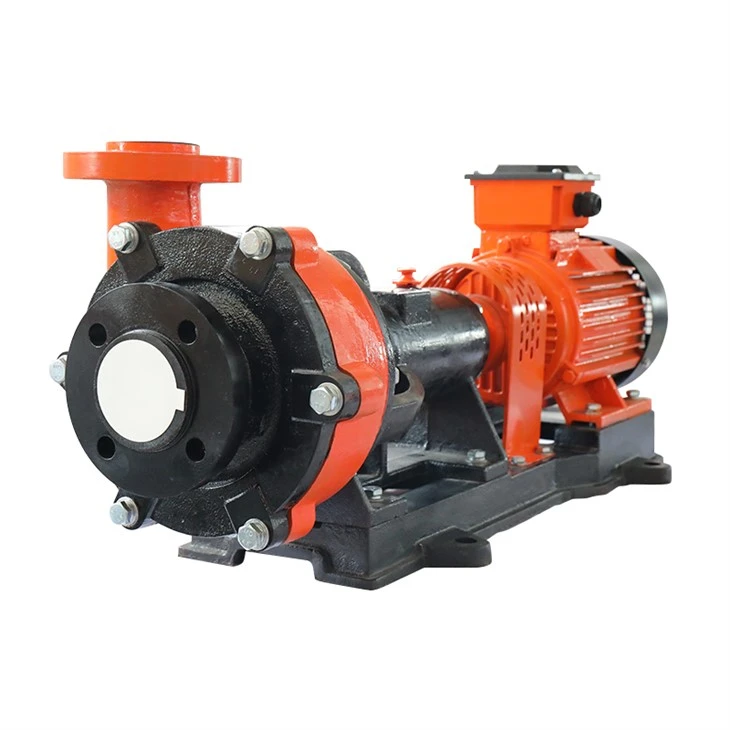

Temperature
The temperature of the chemical you're pumping can also affect your choice of pump. Some chemicals need to be pumped at a specific temperature, and you need a pump that can handle that temperature range. If the temperature is too high, it can damage the pump's seals and other components. If the temperature is too low, it can make the liquid too thick to pump.
Types of Priming Chemical Pumps
There are several types of priming chemical pumps available, and each type has its own advantages and disadvantages. Here are some of the most common types:
Self-Priming Pumps
Self-priming pumps are great because they can prime themselves without the need for external priming devices. This makes them easy to use and maintain. Our Fluorin Plastic Self-priming Pump is a popular choice for many applications. It's made of fluorin plastic, which is highly resistant to corrosion and chemicals. It can handle a wide range of flow rates and pressures, and it's self-priming, so you don't have to worry about priming it manually.
Centrifugal Pumps
Centrifugal pumps are the most common type of pump used in chemical applications. They work by using a rotating impeller to create a centrifugal force that moves the liquid. Centrifugal pumps are relatively simple and inexpensive, and they can handle a wide range of flow rates and pressures. However, they're not self-priming, so you'll need to prime them manually or use an external priming device.
Diaphragm Pumps
Diaphragm pumps are another popular choice for chemical applications. They work by using a flexible diaphragm to move the liquid. Diaphragm pumps are self-priming, and they can handle a wide range of chemicals, including viscous and abrasive liquids. They're also relatively easy to maintain, but they can be more expensive than centrifugal pumps.
Other Considerations
In addition to the factors mentioned above, there are a few other things you should consider when choosing a priming chemical pump:
Maintenance
You want a pump that's easy to maintain. Look for a pump that has accessible parts and that comes with a good warranty. Make sure you understand how to maintain the pump and what kind of maintenance it requires. Regular maintenance can help extend the life of the pump and prevent costly breakdowns.
Cost
Cost is always a factor when making a purchase. You need to find a pump that fits your budget, but you also don't want to sacrifice quality for price. Remember, a cheap pump might save you money upfront, but it could end up costing you more in the long run if it breaks down frequently or doesn't perform well.
Safety
Safety is of utmost importance when working with chemicals. Make sure the pump you choose is designed with safety features, such as leak detection and overpressure protection. You also need to follow all safety guidelines and procedures when installing and operating the pump.
Making Your Decision
Now that you've considered all the factors, it's time to make your decision. Here's a step-by-step guide to help you choose the right priming chemical pump for your needs:
- Define your requirements: Make a list of the chemical you're pumping, the flow rate, the pressure, the temperature, and any other requirements you have.
- Research different types of pumps: Learn about the different types of priming chemical pumps available and their advantages and disadvantages.
- Compare pumps: Compare different pumps based on your requirements, cost, maintenance, and safety features.
- Get quotes: Contact different pump suppliers and get quotes for the pumps that meet your needs.
- Make your choice: Based on your research and quotes, choose the pump that best fits your requirements and budget.
Contact Us for More Information
If you're still not sure which priming chemical pump is right for you, or if you have any other questions, don't hesitate to contact us. We're here to help you find the perfect pump for your needs. Our team of experts can provide you with more information about our pumps, help you choose the right one, and answer any questions you might have. We offer a wide range of priming chemical pumps, including the ones mentioned in this blog post, and we're confident that we can find a solution that works for you.
References
- Chemical Engineering Handbook
- Pump Manufacturer's Catalogs
- Industry Standards and Guidelines
So, there you have it! I hope this blog post has helped you understand how to choose the right priming chemical pump for your needs. If you have any feedback or questions, feel free to leave a comment below. Good luck with your pump selection!