

Can a water pump be used in saltwater? That's a question I get asked a lot as a water pump supplier. And the answer isn't a simple yes or no. It depends on a few factors, so let's dive in and explore this topic.
First off, we need to understand the challenges that saltwater poses to water pumps. Saltwater is more corrosive than freshwater due to the presence of salts, mainly sodium chloride. These salts can cause corrosion on the pump's components, especially if they're made of materials that aren't resistant to such corrosion. Corrosion can lead to a host of problems, like reduced efficiency, leaks, and ultimately, pump failure.

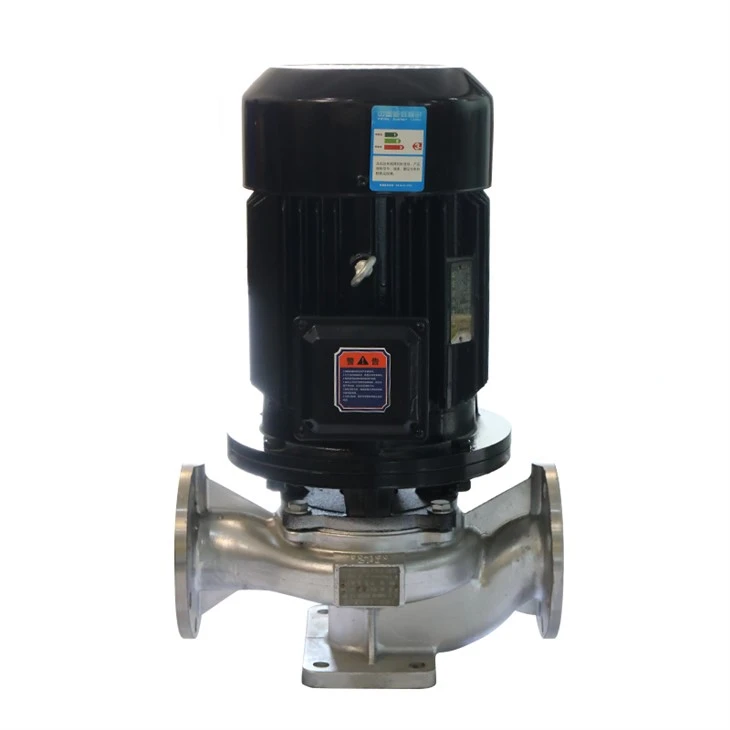
Now, let's talk about the types of pumps we offer. We've got a wide range of pumps, including the Vertical Multistage Pump, Pipeline Circulation Pump, and Single-Stage Single Suction Pipeline Centrifugal Pump. Each of these pumps has its own features and is designed for different applications.
For a Vertical Multistage Pump, it's known for its high-pressure output. It's often used in industrial settings where a large amount of water needs to be pumped over long distances or to high elevations. But when it comes to saltwater, the materials of the pump become crucial. If the pump is made of standard materials like cast iron or regular steel, it won't last long in a saltwater environment. The salt will start eating away at the metal, causing pitting and rust. However, if the pump is made of corrosion-resistant materials such as stainless steel (specifically grades like 316 or 316L), it can handle saltwater much better. Stainless steel has a high chromium and nickel content, which forms a protective layer on the surface of the metal, preventing the salt from corroding it.
The Pipeline Circulation Pump is commonly used for circulating water in heating or cooling systems. In a saltwater application, say in a marine aquarium or a coastal desalination plant, the same corrosion concerns apply. But with proper material selection, it can be used effectively. Some Pipeline Circulation Pumps are designed with special coatings or linings that provide an extra layer of protection against saltwater corrosion. These coatings can be made of materials like epoxy or rubber, which act as a barrier between the saltwater and the pump's internal components.
The Single-Stage Single Suction Pipeline Centrifugal Pump is a workhorse in many water pumping applications. It's relatively simple in design and efficient. But again, in saltwater, the material is key. If you're thinking of using this pump in a saltwater environment, make sure to choose one with a corrosion-resistant impeller and casing. The impeller is the rotating part of the pump that creates the flow, and if it gets corroded, the pump's performance will be severely affected.
So, can these pumps be used in saltwater? The short answer is yes, but with some important considerations. Here are some tips to keep in mind if you're planning to use a water pump in saltwater:
- Material Selection: As I've mentioned, choose pumps made of corrosion-resistant materials. Stainless steel is a great option, but there are also other alloys and composite materials available that offer good resistance to saltwater corrosion.
- Maintenance: Regular maintenance is crucial. This includes flushing the pump with freshwater after each use in saltwater to remove any salt residue. You should also inspect the pump regularly for signs of corrosion or wear and tear. If you notice any issues, address them immediately to prevent further damage.
- Coatings and Linings: Consider pumps with special coatings or linings. These can significantly extend the life of the pump in a saltwater environment.
- Proper Installation: Make sure the pump is installed correctly. This includes proper grounding to prevent electrical corrosion and ensuring that all connections are tight and sealed to prevent saltwater from leaking into the pump.
Another thing to consider is the cost. Pumps made of corrosion-resistant materials or with special coatings are generally more expensive than standard pumps. However, when you factor in the longer lifespan and reduced maintenance costs, they can actually be a more cost-effective option in the long run.
In addition to the material and maintenance aspects, the operating conditions also play a role. The temperature, salinity, and flow rate of the saltwater can all affect the performance and lifespan of the pump. For example, higher temperatures and higher salt concentrations can accelerate the corrosion process.
If you're still not sure which pump is right for your saltwater application, don't hesitate to reach out to us. We've got a team of experts who can help you choose the best pump based on your specific needs. Whether you're running a small marine aquarium or a large industrial saltwater system, we can provide you with the right solution.
We understand that every customer's situation is unique, and we're committed to providing you with the best possible service. So, if you're in the market for a water pump for a saltwater application, give us a call or send us an email. We'll be happy to discuss your requirements and help you make an informed decision.
In conclusion, while using a water pump in saltwater presents some challenges, it's definitely possible with the right pump selection, proper maintenance, and installation. We're here to support you every step of the way. So, if you're looking for a reliable water pump for your saltwater needs, get in touch with us today and let's start the conversation about your project.
References
- "Corrosion of Metals in Saltwater Environments" - Journal of Materials Science
- "Water Pump Selection and Maintenance Guide" - Industrial Pump Manufacturers Association