

When it comes to industrial and commercial pumping systems, multistage pumps are a popular choice due to their ability to generate high pressures. Among multistage pumps, vertical multistage pumps and horizontal multistage pumps are two common types, each with its own distinct characteristics. As a supplier of vertical multistage pumps, I am well - versed in the differences between these two types of pumps, and in this blog, I will share in - depth insights on this topic.
Structural Differences
One of the most obvious differences between vertical multistage pumps and horizontal multistage pumps lies in their structural design.
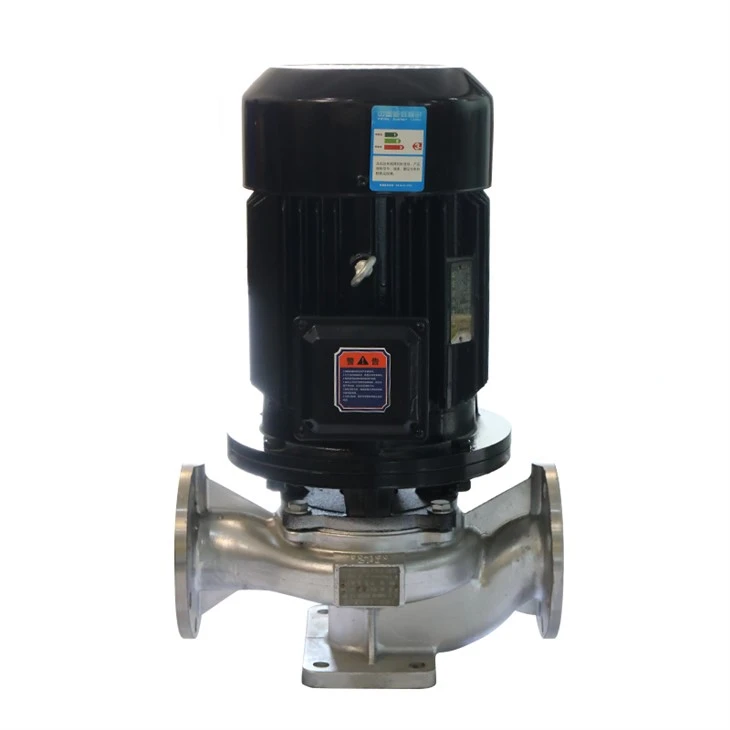
Vertical multistage pumps are designed with a vertical orientation. The impellers are stacked vertically on a single shaft. This design allows the pump to take up less floor space, which is especially beneficial in facilities where space is limited, such as high - rise buildings or small industrial workshops. The vertical structure also enables the pump to be easily installed in a pit or a sump, making it suitable for applications where the water source is below the ground level.
On the other hand, horizontal multistage pumps have a horizontal shaft arrangement. The impellers are placed side by side along the horizontal shaft. This design provides better stability during operation because the weight of the pump is evenly distributed along the horizontal axis. Horizontal multistage pumps are typically easier to maintain as the components are more accessible. Mechanics can easily reach the impellers, bearings, and seals for inspection, repair, or replacement without having to deal with the complex vertical structure.
Installation Requirements
The installation requirements for vertical and horizontal multistage pumps also vary significantly.
Vertical multistage pumps are relatively easy to install in tight spaces. They can be directly mounted on a flat surface or in a sump with minimal foundation work. Since they are vertically oriented, they do not require a large footprint, which is a major advantage in urban areas or facilities with limited real - estate. However, the installation of vertical multistage pumps needs to ensure proper alignment to prevent excessive vibration and premature wear of the components.
Horizontal multistage pumps, in contrast, require a more substantial foundation. The horizontal orientation means that the pump needs a stable base to support its weight and to prevent any misalignment during operation. The installation process is generally more complex and time - consuming, as it involves precise leveling and alignment of the pump and the motor. But once installed correctly, horizontal multistage pumps offer reliable and stable performance over a long period.
Performance Characteristics
In terms of performance, both vertical and horizontal multistage pumps are capable of generating high pressures, but there are some differences.
Vertical multistage pumps are often preferred for applications that require high - head pumping in a relatively small flow rate. Their vertical design allows for efficient energy transfer in situations where the water needs to be lifted to a great height, such as in water supply systems for high - rise buildings. These pumps can achieve high pressures with a relatively compact design, which is energy - efficient in such high - head applications.
Horizontal multistage pumps, however, are better suited for applications with large flow rates. The horizontal arrangement of the impellers allows for a more streamlined flow path, reducing the internal resistance and enabling the pump to handle larger volumes of water. They are commonly used in industrial processes where a large amount of water needs to be circulated, such as in cooling systems or large - scale water treatment plants. For example, in a large industrial cooling system, a horizontal multistage pump can effectively circulate a high - volume of cooling water to maintain the proper temperature of the equipment.
Noise and Vibration
Noise and vibration are important considerations in any pumping system, as excessive noise can cause discomfort to workers and vibration can lead to mechanical failures.
Vertical multistage pumps generally produce less noise and vibration compared to horizontal multistage pumps. The vertical structure provides better damping of vibrations, and the compact design reduces the overall noise level. This makes vertical multistage pumps a good choice for applications in noise - sensitive areas, such as hospitals or residential buildings.
Horizontal multistage pumps, due to their larger size and the nature of the horizontal shaft arrangement, may generate more noise and vibration. However, modern horizontal multistage pumps are often equipped with advanced vibration - damping and noise - reduction technologies to minimize these issues.

Application Scenarios
The differences in structure, installation, performance, and noise characteristics lead to different application scenarios for vertical and horizontal multistage pumps.
Vertical multistage pumps are widely used in high - rise building water supply systems. They can efficiently lift water from the ground - level storage tanks to the upper floors, ensuring a stable water supply. They are also used in small - scale industrial processes where space is limited and high - head pumping is required, such as in some chemical plants or food processing facilities. Additionally, vertical multistage pumps are suitable for well - water extraction in areas with limited surface space.
Horizontal multistage pumps are commonly found in large - scale industrial applications. In power plants, they are used for boiler feedwater, where a large volume of water needs to be pumped at high pressure. They are also used in water treatment plants for water circulation and distribution. In the oil and gas industry, horizontal multistage pumps are used for pipeline transportation of fluids over long distances.
As a supplier of vertical multistage pumps, I understand the unique advantages of these pumps in various applications. Our vertical multistage pumps are designed with high - quality materials and advanced manufacturing techniques, ensuring reliable performance, energy efficiency, and long service life. If you are looking for a high - performance vertical multistage pump for your specific application, we can provide you with the most suitable solutions.
In addition to vertical multistage pumps, if you are interested in other types of pumps, you can check out our High Flow Circulation Pump, Pipeline Circulation Pump, and Single - Stage Single Suction Pipeline Centrifugal Pump.
If you have any questions about our products or need further information on pump selection, please feel free to contact us for procurement discussions. We are committed to providing you with the best products and services to meet your pumping needs.
References
- Pump Handbook, Karassik, I. J., Messina, J. P., Cooper, P. E., & Heald, C. C. (2008).
- Centrifugal Pumps: Design and Application, Stepanoff, A. J. (1957).
- Industrial Pumping Systems, Walas, S. M. (2007).