

Hey there! As a self-priming pump supplier, I've seen my fair share of issues with these pumps. Self-priming pumps are super useful, but like any piece of equipment, they can run into problems. In this blog, I'll share some tips on how to troubleshoot a self-priming pump.
1. No Priming or Slow Priming
One of the most common issues you might face is that the pump either can't prime at all or takes an unusually long time to prime.
Check for Air Leaks
Air leaks are a major culprit here. Look at all the connections, including the suction line, discharge line, and any fittings. A small air leak can prevent the pump from creating the necessary vacuum to prime. You can use a soapy water solution to check for leaks. Just apply the soapy water to the connections, and if you see bubbles forming, that's a sign of a leak. Tighten the fittings or replace any damaged gaskets or seals.
Inspect the Suction Line
Make sure the suction line is not clogged. Debris, such as leaves, dirt, or small rocks, can block the flow of liquid into the pump. Check the strainer at the end of the suction line and clean it if necessary. Also, ensure that the suction line is properly submerged in the liquid. If it's not deep enough, air can be drawn into the pump, causing priming issues.
Verify the Pump's Impeller
A damaged or worn impeller can also lead to priming problems. The impeller is responsible for creating the centrifugal force that moves the liquid through the pump. If it's damaged, it won't be able to generate enough force to prime the pump. Remove the pump cover and inspect the impeller for any signs of damage, such as cracks or chips. If it's damaged, you'll need to replace it.
2. Low Flow or Pressure
If you notice that the pump is not delivering the expected flow or pressure, there are a few things you can check.
Check the Pump's Speed
The speed of the pump affects its performance. If the pump is running too slowly, it won't be able to generate enough flow or pressure. Check the motor's speed and make sure it's operating at the correct RPM (revolutions per minute). You may need to adjust the belt tension or the pulley size if the pump is belt-driven.
Inspect the Discharge Line
Similar to the suction line, the discharge line can also get clogged. Check for any blockages in the line, such as valves that are partially closed or debris that has accumulated. Make sure the discharge line is the correct size and that it's not too long or too restrictive. A long or narrow discharge line can cause a significant drop in pressure.
Look at the Pump's Volute
The volute is the casing around the impeller that helps to direct the flow of liquid. If it's damaged or worn, it can affect the pump's performance. Inspect the volute for any signs of damage, such as cracks or erosion. If it's damaged, you may need to replace it.
3. Excessive Noise or Vibration
Excessive noise or vibration can indicate a problem with the pump.
Check the Mounting
Make sure the pump is properly mounted. If it's not securely fastened, it can vibrate and make noise. Check the mounting bolts and tighten them if necessary. Also, ensure that the pump is level and that there is no uneven stress on the motor or the pump housing.
Inspect the Bearings
Worn or damaged bearings can cause excessive noise and vibration. Listen for any grinding or squealing sounds coming from the pump. If you suspect that the bearings are bad, you'll need to replace them. This is a more advanced repair, so you may want to consult a professional if you're not comfortable doing it yourself.
Check for Cavitation
Cavitation occurs when the pressure in the pump drops too low, causing the liquid to vaporize. This can create small bubbles that collapse when they reach a higher pressure area, causing noise and damage to the pump. Check the suction pressure and make sure it's within the pump's recommended range. If the suction pressure is too low, you may need to increase the liquid level in the source or shorten the suction line.
4. Overheating
Overheating can damage the pump and reduce its lifespan.
Check the Cooling System
If the pump has a cooling system, such as a fan or a water jacket, make sure it's working properly. Check the fan for any blockages or damage and ensure that it's spinning freely. If the pump is water-cooled, check the water flow and make sure there are no leaks in the cooling lines.
Inspect the Motor
The motor can also overheat if it's overloaded or if there are electrical problems. Check the motor's amperage and make sure it's within the rated capacity. If the amperage is too high, it could indicate a problem with the pump or the motor itself. Also, check the electrical connections and make sure they're tight and free of corrosion.
Reduce the Load
If the pump is running continuously at a high load, it can overheat. Try to reduce the load on the pump by adjusting the flow rate or the pressure. You may also want to consider using a larger pump if the current one is undersized for the application.
5. Electrical Problems
Electrical problems can prevent the pump from starting or cause it to malfunction.
Check the Power Supply
Make sure the pump is receiving the correct voltage and that the power supply is stable. Check the circuit breaker or fuse and make sure it hasn't tripped. If it has, reset it and see if the pump starts. If the breaker trips again, there may be a short circuit in the pump or the electrical system.
Inspect the Wiring
Check the wiring for any damage or loose connections. Look for frayed wires, exposed conductors, or loose terminals. If you find any problems, repair or replace the wiring as necessary.
Test the Motor
If you suspect that the motor is the problem, you can use a multimeter to test its electrical resistance. Compare the readings to the manufacturer's specifications to determine if the motor is functioning properly. If the motor is bad, you'll need to replace it.
Our Product Recommendations
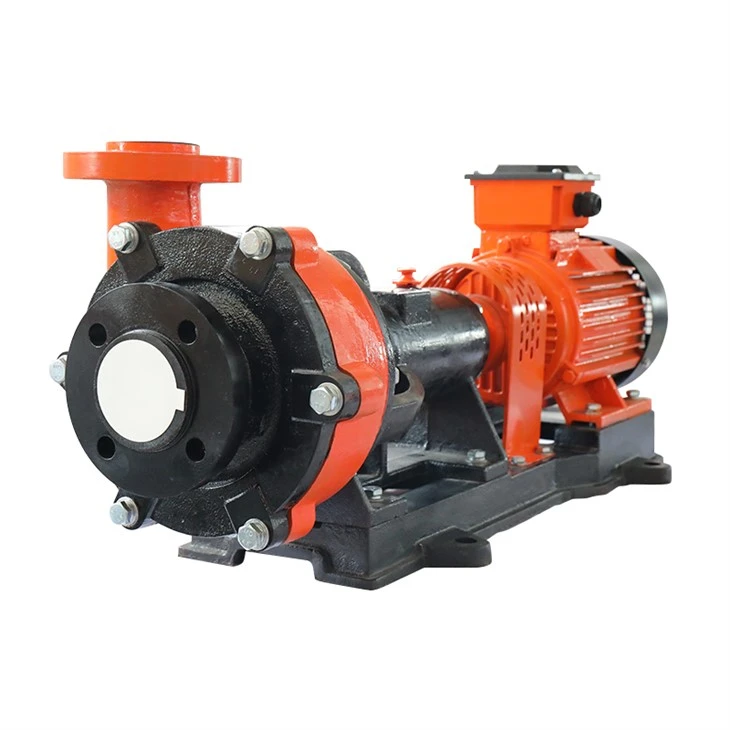
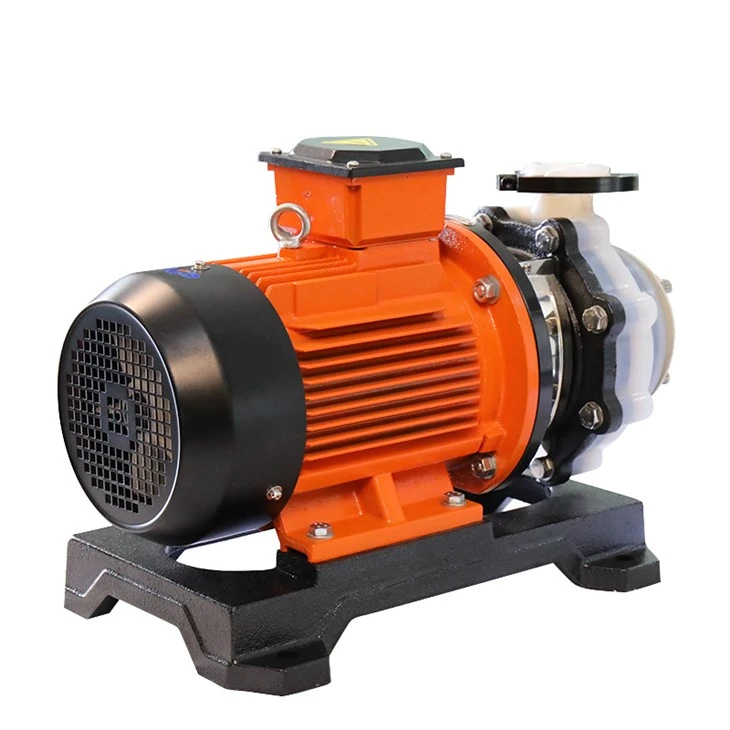
As a self-priming pump supplier, we offer a wide range of high-quality pumps to meet your needs. Check out our Corrosion-resistant and Abrasion-resistant Mortar Pump, which is perfect for handling abrasive and corrosive materials. We also have the Idle Acid and Alkali Resistant Self-Priming Pump, designed for applications where acid and alkali resistance is required. And if you're looking for a fluorine plastic centrifugal pump, our Fluorine Plastic Centrifugal Pump(Direct Connection) is a great choice.
If you're experiencing any problems with your self-priming pump or if you're in the market for a new one, don't hesitate to contact us. We have a team of experts who can help you troubleshoot your pump and find the right solution for your application. Let's start a conversation and see how we can work together to meet your pumping needs.
References
- "Pump Handbook" by Igor J. Karassik, Joseph P. Messina, Paul Cooper, and Charles C. Heald.
- Manufacturer's manuals for self-priming pumps.