

The magnetic flux pump is a crucial device in various industrial applications, especially in the transfer of corrosive and hazardous fluids. As a magnetic flux pump supplier, I've witnessed firsthand how the temperature coefficient of magnetic materials can significantly impact the performance of these pumps. In this blog, I'll delve into the relationship between the temperature coefficient of magnetic materials and the performance of magnetic flux pumps, exploring the underlying principles, practical implications, and potential solutions.
Understanding the Basics of Magnetic Flux Pumps
Before we dive into the impact of the temperature coefficient, let's first understand the basic working principle of a magnetic flux pump. A magnetic flux pump uses the interaction between magnetic fields and conductive fluids to transfer fluid from one place to another. The pump consists of a magnetic drive system, which includes a permanent magnet or an electromagnet, and an impeller or a pumping chamber. When the magnetic field rotates, it induces a current in the conductive fluid, creating a Lorentz force that drives the fluid through the pump.
The efficiency and reliability of a magnetic flux pump depend on several factors, including the strength of the magnetic field, the conductivity of the fluid, and the design of the pump. However, one often overlooked factor is the temperature coefficient of the magnetic material used in the pump.
The Temperature Coefficient of Magnetic Materials
The temperature coefficient of a magnetic material refers to the change in its magnetic properties, such as magnetization and coercivity, with temperature. Different magnetic materials have different temperature coefficients, which can range from positive to negative. A positive temperature coefficient means that the magnetic properties of the material increase with temperature, while a negative temperature coefficient means that they decrease.
In the context of magnetic flux pumps, the temperature coefficient of the magnetic material can have a significant impact on the pump's performance. For example, if the magnetic material has a positive temperature coefficient, the strength of the magnetic field will increase as the temperature rises. This can lead to an increase in the pump's efficiency and flow rate. On the other hand, if the magnetic material has a negative temperature coefficient, the strength of the magnetic field will decrease as the temperature rises, which can result in a decrease in the pump's performance.
Impact on Pump Performance
Efficiency
The efficiency of a magnetic flux pump is directly related to the strength of the magnetic field. A stronger magnetic field can induce a larger current in the conductive fluid, resulting in a higher Lorentz force and a more efficient pumping action. When the temperature coefficient of the magnetic material is positive, the magnetic field strength increases with temperature, which can improve the pump's efficiency. However, if the temperature coefficient is negative, the magnetic field strength decreases with temperature, leading to a decrease in efficiency.
Flow Rate
The flow rate of a magnetic flux pump is also affected by the strength of the magnetic field. A stronger magnetic field can generate a higher Lorentz force, which can push the fluid through the pump at a higher rate. As with efficiency, a positive temperature coefficient can lead to an increase in flow rate, while a negative temperature coefficient can cause a decrease.
Reliability
The reliability of a magnetic flux pump is crucial, especially in applications where the pump is used to transfer corrosive or hazardous fluids. The temperature coefficient of the magnetic material can affect the pump's reliability by causing changes in the magnetic field strength and the alignment of the magnetic components. If the magnetic field strength decreases significantly with temperature, the pump may not be able to maintain a consistent flow rate, leading to potential failures.
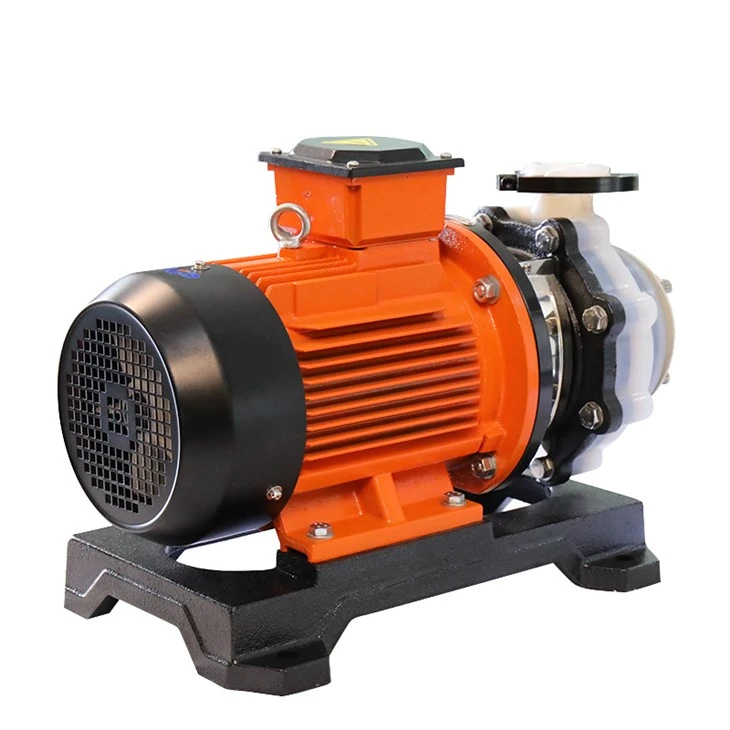

Practical Considerations for Magnetic Flux Pump Suppliers
As a magnetic flux pump supplier, it's essential to consider the temperature coefficient of the magnetic material when designing and manufacturing pumps. Here are some practical considerations:
Material Selection
When selecting a magnetic material for a magnetic flux pump, it's important to choose a material with a suitable temperature coefficient. For applications where the pump will operate at high temperatures, a magnetic material with a positive temperature coefficient may be preferred to ensure that the pump's performance remains stable. On the other hand, for applications where the pump will operate at low temperatures, a material with a negative temperature coefficient may be more appropriate.
Thermal Management
To minimize the impact of temperature on the pump's performance, it's important to implement effective thermal management strategies. This can include using heat sinks, cooling fans, or other cooling devices to keep the temperature of the magnetic components within a safe range. Additionally, the pump's design should allow for proper ventilation to prevent the buildup of heat.
Testing and Quality Control
Before delivering a magnetic flux pump to a customer, it's important to conduct thorough testing to ensure that the pump's performance meets the specified requirements. This can include testing the pump's efficiency, flow rate, and reliability at different temperatures. Quality control measures should also be in place to ensure that the magnetic material used in the pump meets the required standards.
Examples of Magnetic Flux Pumps and Their Applications
There are several types of magnetic flux pumps available on the market, each with its own unique features and applications. Here are some examples:
- Idle Acid and Alkali Resistant Self-Priming Pump: This type of pump is designed to handle corrosive fluids, such as acids and alkalis. It features a self-priming design, which allows it to start pumping without the need for external priming.
- Stainless Steel Magnetic Centrifugal Pump: This pump is made of stainless steel, which makes it resistant to corrosion and suitable for use in a wide range of applications. It uses a magnetic drive system to transfer fluid, which eliminates the need for a mechanical seal and reduces the risk of leakage.
- Fluorine Plastic Centrifugal Pump(Direct Connection): This pump is made of fluorine plastic, which provides excellent chemical resistance and is suitable for use in highly corrosive environments. It features a direct connection design, which simplifies the installation process and reduces the overall footprint of the pump.
Conclusion
The temperature coefficient of the magnetic material is an important factor that can significantly impact the performance of a magnetic flux pump. As a magnetic flux pump supplier, it's essential to understand the relationship between the temperature coefficient and the pump's performance and to take appropriate measures to ensure that the pump operates efficiently and reliably. By selecting the right magnetic material, implementing effective thermal management strategies, and conducting thorough testing and quality control, we can provide our customers with high-quality magnetic flux pumps that meet their specific needs.
If you're interested in learning more about our magnetic flux pumps or have any questions about the impact of the temperature coefficient on pump performance, please don't hesitate to contact us for a procurement discussion. We're here to help you find the best solution for your application.
References
- Cullity, B. D., & Graham, C. D. (2008). Introduction to Magnetic Materials. Wiley-IEEE Press.
- O'Hanley, R. C. (1999). Modern Magnetic Materials: Principles and Applications. Wiley.
- Zijlstra, H. (1991). Magnetic Materials and Their Applications. Chapman & Hall.