

What is the suction capacity of a non clogging sump pump?
As a supplier of non clogging sump pumps, I am often asked about the suction capacity of these essential devices. Understanding the suction capacity of a non clogging sump pump is crucial for ensuring its efficient operation in various applications, from residential basements to industrial settings. In this blog post, I will delve into the concept of suction capacity, factors that affect it, and how to choose the right non clogging sump pump based on your specific needs.
What is Suction Capacity?
Suction capacity refers to the ability of a sump pump to draw water from a sump pit or other source and move it to a desired location, such as a drainage system or a discharge point. It is typically measured in terms of the vertical distance the pump can lift water (suction lift) and the volume of water it can move per unit of time (flow rate).

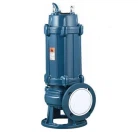
The suction lift is the maximum height the pump can lift water from the sump pit to the pump inlet. This is an important consideration, especially in situations where the sump pit is located below ground level or in a deep well. The flow rate, on the other hand, determines how quickly the pump can remove water from the sump pit. It is usually measured in gallons per minute (GPM) or liters per minute (LPM).
Factors Affecting Suction Capacity
Several factors can affect the suction capacity of a non clogging sump pump. These include:
- Pump Design: The design of the pump plays a crucial role in determining its suction capacity. Non clogging sump pumps are typically designed with a large inlet and a wide passageway to prevent clogging and allow for the smooth flow of water. Some pumps also feature a special impeller design that can handle solid particles and debris without getting blocked.
- Motor Power: The power of the pump motor is directly related to its suction capacity. A more powerful motor can generate more pressure and lift water to a greater height. However, it is important to choose a motor that is appropriately sized for the application to avoid overloading the pump and reducing its efficiency.
- Pipe Size and Length: The size and length of the suction pipe can also affect the suction capacity of the pump. A larger diameter pipe allows for a greater flow of water, while a shorter pipe reduces friction and pressure losses. It is important to use the correct pipe size and length recommended by the pump manufacturer to ensure optimal performance.
- Water Temperature and Viscosity: The temperature and viscosity of the water being pumped can also have an impact on the suction capacity. Cold water is denser and more viscous than warm water, which can make it more difficult for the pump to draw it in. In addition, water with a high viscosity, such as sewage or wastewater, may require a pump with a higher suction capacity to handle the increased resistance.
- Altitude and Atmospheric Pressure: The altitude and atmospheric pressure at the location where the pump is installed can also affect its suction capacity. At higher altitudes, the atmospheric pressure is lower, which can reduce the maximum suction lift of the pump. It is important to take these factors into account when selecting a pump for use in high altitude areas.
Choosing the Right Non Clogging Sump Pump
When choosing a non clogging sump pump, it is important to consider the specific requirements of your application. Here are some key factors to keep in mind:
- Suction Lift: Determine the maximum vertical distance the pump needs to lift water from the sump pit to the discharge point. This will help you choose a pump with an appropriate suction lift capacity.
- Flow Rate: Calculate the volume of water that needs to be removed from the sump pit per unit of time. This will depend on factors such as the size of the sump pit, the rate of water inflow, and the intended use of the pump. Choose a pump with a flow rate that can meet your specific needs.
- Solid Handling Capacity: If you expect to pump water that contains solid particles or debris, such as sewage or wastewater, choose a non clogging sump pump with a high solid handling capacity. Look for pumps with a large inlet and a wide passageway to prevent clogging.
- Power Source: Non clogging sump pumps can be powered by electricity, battery, or a combination of both. Consider the availability of power sources at the installation location and choose a pump that is compatible with your power requirements.
- Brand and Quality: Choose a reputable brand and a high-quality non clogging sump pump to ensure reliable performance and long-term durability. Look for pumps that are backed by a warranty and have a good reputation in the market.
Our Non Clogging Sump Pump Products
At our company, we offer a wide range of non clogging sump pumps to meet the diverse needs of our customers. Our pumps are designed with the latest technology and features to provide efficient and reliable performance in various applications. Here are some of our popular non clogging sump pump products:
- Pipeline Non-Clogging Sewage Pump: This pump is specifically designed for pumping sewage and wastewater in pipelines. It features a non clogging design and a high solid handling capacity, making it ideal for use in residential, commercial, and industrial applications.
- Upright Non-Clogging Sewage Pump: The upright non clogging sewage pump is a versatile pump that can be used for a variety of applications, including sewage treatment plants, industrial wastewater treatment, and flood control. It has a compact design and a high suction capacity, making it suitable for use in tight spaces.
- Self-Priming Sewage Pump: This pump is designed to automatically prime itself without the need for external priming devices. It is ideal for applications where the pump needs to be started and stopped frequently, such as in residential basements or small commercial buildings.
Contact Us for Purchasing and Consultation
If you are in the market for a non clogging sump pump, we would be happy to help you choose the right product for your specific needs. Our team of experts has extensive knowledge and experience in the field of sump pumps and can provide you with professional advice and guidance.
Whether you need a pump for a residential basement, a commercial building, or an industrial application, we have the right solution for you. Contact us today to discuss your requirements and get a free quote. We look forward to working with you and providing you with the best non clogging sump pump solutions.
References
- Pump Handbook, 4th Edition, by Karassik, Messina, Cooper, and Heald
- Hydraulic Institute Standards for Centrifugal Pumps
- ASME Standards for Pumps and Pumping Systems