

Hey there! As a sewage pump supplier, I've been in this industry for quite a while, and one question that always pops up is: What is the efficiency of a sewage pump? Well, let's dive right in and break it down.
First off, when we talk about the efficiency of a sewage pump, we're mainly referring to how well it can convert electrical energy into hydraulic energy. In simpler terms, it's about how much power the pump uses and how much work it gets done. A more efficient pump will use less electricity to move the same amount of sewage compared to a less efficient one. This not only saves you money on your energy bills but also reduces your carbon footprint.
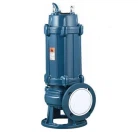
There are several factors that can affect the efficiency of a sewage pump. One of the most important ones is the design of the pump itself. Different types of sewage pumps have different efficiency levels. For example, an Upright Non-Clogging Sewage Pump is designed to handle large solids and fibrous materials without getting clogged. Its unique impeller design and hydraulic passage allow it to move the sewage smoothly, which in turn increases its efficiency. These pumps are great for applications where there's a lot of debris in the sewage, like in industrial wastewater treatment plants or municipal sewage systems.
Another type is the Pipeline Non-Clogging Sewage Pump. This pump is typically installed in pipelines and is designed to prevent clogging. It's often used in situations where the sewage needs to be pumped over long distances. The streamlined design of the pipeline non-clogging sewage pump reduces energy losses due to friction, making it more efficient in transporting the sewage through the pipes.
Then we have the Self-Priming Sewage Pump. This type of pump can prime itself automatically, which means it can draw the sewage into the pump without the need for external priming equipment. This feature not only makes it convenient to use but also improves its efficiency. The self-priming ability reduces the startup time and energy consumption, especially in applications where the pump needs to start and stop frequently.
The size of the pump also plays a crucial role in its efficiency. If you choose a pump that's too large for your application, it will consume more energy than necessary. On the other hand, if the pump is too small, it won't be able to handle the required flow rate, which can lead to overloading and reduced efficiency in the long run. So, it's important to choose the right size of the pump based on your specific needs.
The condition of the pump is another factor. Regular maintenance is essential to keep the pump running at its optimal efficiency. Over time, the impeller, volute, and other components of the pump can wear out or get damaged. This can cause internal leakage, reduced flow rate, and increased energy consumption. By performing routine maintenance tasks such as checking for leaks, lubricating the bearings, and cleaning the pump, you can ensure that it operates efficiently and has a longer lifespan.
The type of sewage being pumped also affects the efficiency. Sewage with a high concentration of solids or a thick consistency requires more energy to pump compared to clean water or sewage with a low solids content. In such cases, a pump with a higher power rating and a more robust design may be needed to maintain an acceptable level of efficiency.

Now, let's talk about how to measure the efficiency of a sewage pump. The most common way is to calculate the pump's overall efficiency, which is the ratio of the hydraulic power output to the electrical power input. The hydraulic power output is determined by the flow rate, head, and density of the sewage. The electrical power input is the amount of electricity the pump consumes. By dividing the hydraulic power output by the electrical power input and multiplying by 100, you get the pump's efficiency percentage.
In general, a well-designed and properly maintained sewage pump can have an efficiency of around 60% to 80%. However, this can vary depending on the factors mentioned above. For example, if the pump is operating under sub - optimal conditions, such as a very high head or a low flow rate, its efficiency may drop significantly.
As a sewage pump supplier, I understand the importance of efficiency for my customers. That's why we offer a wide range of high - efficiency sewage pumps. Whether you need an upright non - clogging sewage pump for your industrial facility, a pipeline non - clogging sewage pump for your long - distance sewage transport, or a self - priming sewage pump for your residential or commercial application, we've got you covered.
If you're in the market for a sewage pump and want to ensure you're getting the most efficient one for your needs, don't hesitate to reach out. Our team of experts can help you choose the right pump based on your specific requirements, and we can provide you with detailed information about the efficiency and performance of each model. We're here to help you make an informed decision and get the best value for your money.
In conclusion, the efficiency of a sewage pump is a complex but crucial aspect to consider. By understanding the factors that affect it, choosing the right type and size of pump, and performing regular maintenance, you can ensure that your sewage pumping system operates efficiently and cost - effectively. So, if you're looking to upgrade your existing sewage pump or install a new one, consider contacting us for a consultation. We're eager to work with you and help you find the perfect sewage pump solution.
References
- Pump Handbook
- Pipe Flow Calculations and Simulations for Sewage Systems
- Guide to Sewage Pump Selection and Maintenance