

In the realm of wastewater management, sewage pumps and effluent pumps play crucial roles, yet they are often misunderstood or confused. As a seasoned sewage pump supplier, I've witnessed firsthand the importance of understanding the differences between these two types of pumps. This knowledge not only helps in making the right choice for specific applications but also ensures efficient and reliable wastewater handling.
What is a Sewage Pump?
A sewage pump is designed to handle raw sewage, which includes solid waste, human waste, and other debris that can be found in a typical household or commercial plumbing system. These pumps are built to be robust and durable, capable of handling large solids and fibrous materials without clogging. Sewage pumps are commonly used in residential basements, commercial buildings, and industrial facilities where sewage needs to be lifted and transported to a sewage treatment plant or a septic system.
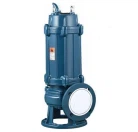
One of the key features of a sewage pump is its ability to handle solids. Most sewage pumps are equipped with a cutting mechanism or a large impeller that can break down solids into smaller pieces, allowing them to pass through the pump and the piping system without causing blockages. For example, our Pipeline Non-Clogging Sewage Pump is specifically designed to handle large solids and fibrous materials, making it ideal for applications where clogging is a concern.
Another important aspect of sewage pumps is their power and capacity. Sewage pumps need to be able to generate enough pressure to lift the sewage to the desired height and overcome the resistance of the piping system. The power and capacity of a sewage pump are typically measured in horsepower (HP) and gallons per minute (GPM), respectively. When selecting a sewage pump, it's important to consider the size of the sewage system, the distance the sewage needs to be pumped, and the amount of solids and debris in the sewage.
What is an Effluent Pump?
An effluent pump, on the other hand, is used to handle treated wastewater, also known as effluent. Effluent is the liquid waste that has been processed through a septic system or a wastewater treatment plant and is relatively free of solids and debris. Effluent pumps are typically smaller and less powerful than sewage pumps, as they don't need to handle large solids or generate as much pressure.
Effluent pumps are commonly used in applications where the treated wastewater needs to be pumped from a septic tank to a drain field or a leach field. These pumps are designed to be energy-efficient and reliable, as they need to operate continuously to ensure the proper functioning of the septic system. Our Upright Non-Clogging Sewage Pump can also be used as an effluent pump in some applications, thanks to its non-clogging design and reliable performance.
One of the main differences between effluent pumps and sewage pumps is the size and type of solids they can handle. Effluent pumps are designed to handle small particles and debris that may be present in the treated wastewater, but they are not capable of handling large solids or fibrous materials. Therefore, it's important to ensure that the wastewater entering the effluent pump is properly treated and free of large solids to prevent clogging and damage to the pump.
Key Differences between Sewage Pumps and Effluent Pumps
- Solids Handling Capacity: Sewage pumps are designed to handle large solids and fibrous materials, while effluent pumps are designed to handle small particles and debris.
- Power and Capacity: Sewage pumps are typically more powerful and have a higher capacity than effluent pumps, as they need to generate more pressure to lift the sewage and overcome the resistance of the piping system.
- Application: Sewage pumps are used to handle raw sewage, while effluent pumps are used to handle treated wastewater.
- Design: Sewage pumps are often equipped with a cutting mechanism or a large impeller to break down solids, while effluent pumps are designed to be energy-efficient and reliable.
Choosing the Right Pump for Your Application
When choosing between a sewage pump and an effluent pump, it's important to consider the specific requirements of your application. Here are some factors to consider:
- Type of Wastewater: If you're dealing with raw sewage, a sewage pump is the obvious choice. If you're dealing with treated wastewater, an effluent pump may be more suitable.
- Size and Capacity: Consider the size of the sewage system, the distance the wastewater needs to be pumped, and the amount of solids and debris in the wastewater. Choose a pump that has the right power and capacity to meet your needs.
- Installation and Maintenance: Consider the ease of installation and maintenance of the pump. Sewage pumps may require more complex installation and maintenance procedures, as they need to be able to handle large solids and debris.
- Cost: Compare the cost of the pump, as well as the cost of installation and maintenance. Choose a pump that offers the best value for your money.
As a sewage pump supplier, we offer a wide range of sewage pumps and effluent pumps to meet the needs of different applications. Our Self-Priming Sewage Pump is a popular choice for residential and commercial applications, thanks to its self-priming feature and reliable performance.
Conclusion
In conclusion, understanding the differences between sewage pumps and effluent pumps is essential for making the right choice for your wastewater management needs. Whether you're dealing with raw sewage or treated wastewater, choosing the right pump can ensure efficient and reliable operation of your sewage system. If you have any questions or need assistance in selecting the right pump for your application, please don't hesitate to contact us. We're here to help you find the best solution for your wastewater management needs.

References
- "Sewage Pumps: A Guide to Selection and Installation." Plumbing & Mechanical Magazine.
- "Effluent Pumps: How They Work and When to Use Them." Septic System Guide.
- "Wastewater Treatment: Principles and Practice." Metcalf & Eddy.