

Hey there! I'm a supplier of Quiet Sewage Pumps, and today I wanna chat about the best location to install one. Sewage pumps are super important, especially when it comes to dealing with wastewater efficiently and quietly. So, let's dive right in and figure out where these pumps should go.
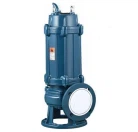
First off, we need to understand what a quiet sewage pump is all about. These pumps are designed to move sewage from one place to another without making a whole lot of noise. That's a big deal, especially if you're installing it in a residential area or a place where noise can be a nuisance. There are different types of quiet sewage pumps, like the Upright Non-Clogging Sewage Pump, the Self-Priming Sewage Pump, and the Pipeline Non-Clogging Sewage Pump. Each type has its own features and is suitable for different situations.
Now, let's talk about the factors we need to consider when choosing the location for a quiet sewage pump.
Accessibility
One of the most important things is accessibility. You want to be able to reach the pump easily for maintenance and repairs. If the pump is installed in a hard-to-reach place, it'll be a real pain to work on it when something goes wrong. For example, if you install it in a cramped corner behind a bunch of other equipment, you might have to move a whole bunch of stuff just to get to the pump. That's not only time-consuming but can also be dangerous. So, pick a location where you can walk right up to the pump and have enough space to work around it.
Ventilation
Good ventilation is crucial. Sewage pumps can generate heat, and if there's not enough ventilation, the pump can overheat. Overheating can damage the pump and reduce its lifespan. Also, sewage can produce some pretty unpleasant odors. Proper ventilation helps to get rid of these odors and keeps the air around the pump fresh. A well-ventilated area can be a basement with windows or an outdoor area with good air circulation.
Proximity to the Source of Sewage
It makes sense to install the pump as close as possible to the source of sewage. This reduces the length of the pipes needed to connect the pump to the sewage source. Shorter pipes mean less resistance, which in turn means the pump doesn't have to work as hard. That can save energy and reduce wear and tear on the pump. For example, if you're dealing with a septic tank, installing the pump right next to it is a smart move.
Avoiding Flooding
You definitely don't want to install the pump in an area that's prone to flooding. Water can damage the pump and cause it to malfunction. Check the area's flood history and make sure the location you choose is above the flood level. If you're installing the pump outdoors, consider building a raised platform or a protective enclosure to keep it safe from floodwaters.
Noise Considerations
Since we're talking about quiet sewage pumps, we need to think about where the noise from the pump will be least noticeable. If it's for a residential property, avoid installing it near bedrooms or living areas. You might want to put it in a utility room or a basement that's far away from the living spaces. If it's for a commercial property, consider the areas where people work or gather. You don't want the noise to be a distraction.
Types of Locations and Their Suitability
Basements
Basements are a popular choice for installing sewage pumps. They're usually close to the source of sewage, like toilets and drains on the lower levels of a building. They also offer some natural protection from the elements. However, basements can be prone to flooding, so you need to take extra precautions. Make sure the basement has a good sump pump system to keep the water level down. Also, ensure proper ventilation to prevent the buildup of odors and heat.
Outdoor Areas
Outdoor installation can be a great option, especially if you have enough space. It provides excellent ventilation and can be far away from living or working areas, reducing noise. But you need to protect the pump from the weather. You can use a weatherproof enclosure or a shed to keep the pump dry and safe. Also, make sure the area is secure to prevent vandalism.

Utility Rooms
Utility rooms are another good choice. They're usually accessible and can be located away from the main living or working areas. They often have existing plumbing and electrical connections, which can make the installation process easier. Just make sure the room is well-ventilated and has enough space for the pump and any associated equipment.
Specific Examples
Let's say you have a small residential property with a basement. The best location for the quiet sewage pump might be in a corner of the basement, away from the living areas. You can install it on a raised platform to prevent flooding and use a ventilation system to keep the air fresh. Connect it directly to the sewage pipes from the toilets and drains on the lower level.
For a commercial building, like a restaurant, you might install the pump in an outdoor shed. The shed can be located at the back of the building, away from the dining area. This keeps the noise away from the customers and provides good ventilation. Make sure the shed is locked to prevent unauthorized access.
Conclusion
So, there you have it. The best location to install a quiet sewage pump depends on several factors, including accessibility, ventilation, proximity to the sewage source, flood risk, and noise considerations. By carefully considering these factors, you can choose the right location for your pump and ensure it works efficiently and quietly for years to come.
If you're interested in purchasing a quiet sewage pump or have any questions about installation, feel free to get in touch. We're here to help you find the perfect solution for your sewage pumping needs.
References
- "Sewage Pump Installation Guide" - Plumbing Handbook
- "Noise Reduction in Pump Systems" - Journal of Environmental Engineering