

In a school environment, the sewage system plays a crucial role in maintaining a clean and healthy learning and living space. A non - clogging sewage pump is an essential component of this system, as it helps to transport wastewater efficiently without getting blocked by various debris. As a non - clogging sewage pump supplier, I have had in - depth experience in understanding the special requirements for these pumps in a school sewage system.
High - Volume Handling Capacity
Schools have a large number of students, teachers, and staff, which means a significant amount of sewage is generated throughout the day. During peak hours, such as after class breaks or lunchtime, the flow of wastewater can increase suddenly. A non - clogging sewage pump for a school must have a high - volume handling capacity to ensure that all the sewage is pumped out promptly. For example, a large school with over a thousand students may require a pump that can handle flow rates of up to 100 cubic meters per hour or more. This high - capacity pump can prevent backups and overflows in the sewage system, which could lead to unpleasant odors and unsanitary conditions in the school.
Resistance to Solid Debris
School sewage contains a wide variety of solid debris. Students may accidentally flush items like paper towels, sanitary products, and even small toys down the toilets. In addition, food waste from the cafeteria can also enter the sewage system. A non - clogging sewage pump should be designed to handle these solid materials without getting clogged. Some pumps are equipped with special impellers that can cut through or bypass large objects. For instance, a cutter impeller can shred solid waste into smaller pieces, making it easier to pump out. This feature not only ensures the smooth operation of the pump but also reduces the frequency of maintenance and repairs.
Quiet Operation
In a school setting, a quiet environment is essential for teaching and learning. Loud noise from a sewage pump can be a significant distraction. Therefore, non - clogging sewage pumps for schools should be designed to operate quietly. Manufacturers use advanced technologies such as noise - reducing enclosures and vibration - dampening materials to minimize the noise level. For example, a pump with a sound - insulated housing can reduce the noise emitted during operation, allowing students and teachers to focus on their activities without being disturbed.
Durability and Reliability
Schools operate year - round, and the sewage pump needs to work continuously without frequent breakdowns. The pump should be made of high - quality materials that can withstand the harsh conditions of the sewage system, such as corrosion and abrasion. Stainless steel is a popular choice for pump components as it is resistant to rust and can last for a long time. Additionally, the pump should have a reliable motor and control system. A well - designed control system can automatically start and stop the pump based on the water level in the sewage pit, ensuring efficient operation and preventing over - pumping or dry - running.
Easy Maintenance
Maintenance is an important aspect of ensuring the long - term performance of a non - clogging sewage pump. In a school, where there may not be a dedicated team of highly skilled technicians available at all times, the pump should be easy to maintain. This includes features such as easy access to the pump components for inspection and cleaning. Some pumps are designed with removable covers and access ports, which allow maintenance staff to quickly check the impeller, seals, and other parts. Moreover, the pump should have a clear maintenance manual and be compatible with common replacement parts, making it easier to find and install new components when needed.
Energy Efficiency
With the increasing focus on energy conservation, energy - efficient non - clogging sewage pumps are becoming more important in school sewage systems. An energy - efficient pump can reduce the school's electricity consumption and operating costs. Modern pumps use advanced motor technologies, such as variable frequency drives (VFDs), which can adjust the pump speed according to the actual demand. For example, when the sewage flow is low, the pump can operate at a lower speed, consuming less energy. This not only saves money but also reduces the environmental impact.
Compatibility with the School's Sewage System
The non - clogging sewage pump must be compatible with the existing sewage system in the school. This includes considerations such as the pipe size, pressure requirements, and the layout of the sewage network. For example, if the school has a long - distance sewage pipeline, the pump needs to be able to generate enough pressure to transport the sewage to the treatment facility. Different types of pumps may be suitable for different applications. The Pipeline Non - Clogging Sewage Pump is a good choice for systems where the pump needs to be installed directly in the pipeline. The Upright Non - Clogging Sewage Pump is often used in situations where vertical installation is required, such as in deep sewage pits. The Self - Priming Sewage Pump is ideal for systems where the pump needs to be able to prime itself without external assistance.
Compliance with Safety Standards
Safety is of utmost importance in a school environment. The non - clogging sewage pump must comply with all relevant safety standards. This includes electrical safety, such as proper grounding and insulation to prevent electric shocks. The pump should also have safety features to prevent overheating and overload. For example, a thermal overload protector can automatically shut off the pump if it overheats, preventing damage to the motor and reducing the risk of fire.
Monitoring and Alarm Systems
To ensure the continuous operation of the sewage pump, it is beneficial to have monitoring and alarm systems in place. These systems can detect issues such as low water levels, high pressure, or abnormal vibrations. For example, an alarm can be set to notify the maintenance staff when the pump is not operating properly or when there is a potential blockage in the system. This allows for timely intervention and prevents more serious problems from occurring.

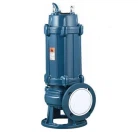
In conclusion, a non - clogging sewage pump in a school sewage system has several special requirements. From high - volume handling capacity and resistance to solid debris to quiet operation and energy efficiency, these pumps need to be carefully selected to meet the specific needs of the school. As a non - clogging sewage pump supplier, I am committed to providing high - quality pumps that meet all these requirements. If you are in charge of a school's sewage system and are looking for a reliable non - clogging sewage pump, I encourage you to contact me for further discussion and procurement negotiation. I can offer professional advice and solutions tailored to your school's unique situation.
References
- "Sewage Pump Handbook", John Wiley & Sons
- "Design and Operation of School Sewage Systems", American Society of Civil Engineers