

What are the Installation and Operation Requirements for a Non Clog Sewage Pump in a Shopping Mall?
As a reputable supplier of non clog sewage pumps, I understand the critical importance of proper installation and operation in a shopping mall setting. Shopping malls are bustling centers with a constant flow of people, and the efficient management of sewage is essential for maintaining a clean and safe environment. In this blog, I will delve into the key installation and operation requirements for a non clog sewage pump in a shopping mall.
Installation Requirements
Site Selection
The first step in installing a non clog sewage pump in a shopping mall is to select an appropriate site. The pump should be installed in a dry, well - ventilated area that is easily accessible for maintenance. It should be located close to the source of sewage, such as the drainage pipes from restrooms, food courts, and other areas where wastewater is generated. However, it should also be away from areas where people frequently pass by to avoid noise and odors.
The site should have a stable foundation to support the weight of the pump and prevent vibrations during operation. A concrete base is often recommended as it provides a solid and stable surface. The base should be level to ensure proper alignment of the pump and reduce the risk of premature wear and tear.
Pipework Installation
Correct pipework installation is crucial for the proper functioning of the non clog sewage pump. The pipes should be of the appropriate size to accommodate the flow rate of sewage. Undersized pipes can lead to blockages and reduced pump efficiency, while oversized pipes may result in poor flow velocity and sedimentation.
The pipes should be installed with a proper slope to allow for gravity - assisted flow. A slope of at least 1% is generally recommended to prevent the buildup of solids in the pipes. All pipe joints should be sealed tightly to prevent leaks, which can cause water damage and create unpleasant odors.
When connecting the pump to the pipework, it is important to use flexible couplings to reduce vibrations and align the pump with the pipes accurately. The inlet and outlet pipes should be supported properly to prevent stress on the pump and the pipes.
Electrical Installation
Non clog sewage pumps are typically electrically powered, so proper electrical installation is a must. The electrical supply should meet the pump's power requirements. A dedicated circuit should be provided for the pump to avoid overloading other electrical systems in the shopping mall.
All electrical connections should be made by a qualified electrician in accordance with local electrical codes. The pump should be grounded properly to protect against electrical shocks. A control panel should be installed to monitor and control the operation of the pump, including starting and stopping the pump, and providing alarms in case of malfunctions.
Pump Installation
The non clog sewage pump should be installed according to the manufacturer's instructions. This includes properly mounting the pump on the base, connecting the pipes and electrical wiring, and installing any necessary accessories such as check valves and strainers.
Check valves are important as they prevent the backflow of sewage, which can damage the pump and cause blockages. Strainers help to remove large solids from the sewage before it enters the pump, reducing the risk of clogging.
Operation Requirements
Regular Maintenance
Regular maintenance is essential to ensure the long - term reliable operation of the non clog sewage pump. The pump should be inspected regularly for signs of wear, damage, or leaks. The impeller, which is a key component of the pump, should be checked for any blockages or damage. If any blockages are found, they should be removed carefully to avoid damaging the impeller.
The lubrication of the pump's bearings should be checked and maintained as per the manufacturer's recommendations. Over - lubrication or under - lubrication can both lead to premature bearing failure.

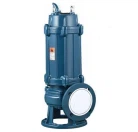
The electrical components of the pump, such as the motor and control panel, should also be inspected regularly. Loose connections, damaged wires, and faulty switches should be repaired or replaced immediately to prevent electrical hazards.
Monitoring of Pump Performance
Monitoring the performance of the non clog sewage pump is crucial for early detection of any problems. Key performance indicators such as flow rate, pressure, and power consumption should be monitored regularly. A sudden change in these parameters can indicate a problem, such as a blockage in the pipes or a malfunctioning pump.
Many modern non clog sewage pumps are equipped with sensors that can provide real - time data on pump performance. This data can be analyzed to identify trends and potential issues before they cause a major breakdown.
Handling of Sewage Characteristics
Shopping malls generate a variety of sewage, which may contain different types of solids and contaminants. The non clog sewage pump should be able to handle these different sewage characteristics. For example, sewage from food courts may contain food particles, grease, and other organic matter, while sewage from restrooms may contain toilet paper, sanitary products, and human waste.
Some of our products, such as the Upright Non - Clogging Sewage Pump, Self - Priming Sewage Pump, and Pipeline Non - Clogging Sewage Pump, are designed to handle a wide range of sewage characteristics. These pumps have special impeller designs and materials that prevent clogging and ensure efficient operation.
Emergency Response Plan
In a shopping mall, it is important to have an emergency response plan in place for the non clog sewage pump. In case of a pump failure, there should be a backup pump available or a quick - response maintenance team that can repair the pump as soon as possible.
The emergency response plan should also include procedures for dealing with sewage spills or overflows. This may involve containing the spill, cleaning up the area, and notifying the relevant authorities if necessary.
Conclusion
Proper installation and operation of a non clog sewage pump in a shopping mall are essential for maintaining a clean, safe, and functional environment. By following the installation requirements, including site selection, pipework installation, electrical installation, and proper pump installation, and adhering to the operation requirements, such as regular maintenance, performance monitoring, handling of sewage characteristics, and having an emergency response plan, shopping mall owners and managers can ensure the efficient and reliable operation of their sewage pumping systems.
If you are in the process of installing or upgrading a non clog sewage pump in your shopping mall, our team of experts is here to assist you. We offer a wide range of high - quality non clog sewage pumps that are designed to meet the specific needs of shopping malls. Contact us today to start a conversation about your procurement needs and let us help you find the best solution for your sewage management requirements.
References
- Manufacturer's installation and operation manuals for non clog sewage pumps.
- Local building codes and regulations related to sewage pump installations.
- Industry standards for sewage management in commercial buildings.