

Hey there! As a supplier of Uphill Sewage Pumps, I often get asked about how to evaluate the reliability of these pumps. It's a crucial question, especially when you're dealing with the challenges of uphill sewage transportation. In this blog, I'll share some key indicators that can help you determine whether an uphill sewage pump is reliable or not.
1. Pump Material and Build Quality
The first thing you need to look at is the material used in the pump's construction. A reliable uphill sewage pump should be made of high - quality materials that can withstand the harsh conditions of sewage pumping. For example, the pump casing should be made of corrosion - resistant materials like cast iron or stainless steel. Cast iron is strong and durable, while stainless steel offers excellent corrosion resistance, which is essential when dealing with sewage that may contain various chemicals and abrasive particles.
The impeller, which is responsible for moving the sewage, is another critical component. It should be made of a tough material that can resist wear and tear. Some pumps use hardened steel or special polymers for their impellers. A well - built impeller will have a smooth surface finish and precise dimensions, ensuring efficient and reliable operation.
When it comes to the overall build quality, check for things like tight seals and proper alignment of components. A pump with loose seals can lead to leaks, which not only waste energy but can also cause damage to the surrounding environment. And misaligned components can put extra stress on the pump's motor and other parts, reducing its lifespan.
2. Flow Rate and Head Capacity
The flow rate and head capacity are two important performance indicators. The flow rate refers to the volume of sewage that the pump can move in a given period, usually measured in gallons per minute (GPM) or cubic meters per hour (m³/h). You need to choose a pump with a flow rate that matches your specific needs. If the flow rate is too low, the pump won't be able to handle the amount of sewage generated, leading to backups. On the other hand, if the flow rate is too high, it may cause unnecessary energy consumption and wear on the pump.
The head capacity, also known as the total dynamic head (TDH), is the maximum height that the pump can lift the sewage. When pumping sewage uphill, you need to consider the vertical distance (static head) as well as the friction losses in the pipes (friction head). A reliable uphill sewage pump should have a sufficient head capacity to overcome these challenges. You can calculate the required head capacity based on your system's layout and the elevation change.
3. Energy Efficiency
Energy efficiency is becoming increasingly important, not only for cost - saving reasons but also for environmental considerations. A reliable uphill sewage pump should be energy - efficient, meaning it can move a large volume of sewage with minimal energy consumption. Look for pumps with high - efficiency motors and well - designed hydraulic systems.
Some pumps are equipped with variable frequency drives (VFDs), which allow the pump to adjust its speed according to the demand. This can significantly reduce energy consumption, especially when the sewage flow rate varies throughout the day. Additionally, pumps with efficient impeller designs can convert more of the motor's energy into useful work, resulting in lower energy bills.
4. Anti - Clogging Design
One of the biggest challenges in sewage pumping is dealing with clogs. A reliable uphill sewage pump should have an anti - clogging design to prevent blockages. There are several types of anti - clogging features available. For example, some pumps use a large - diameter impeller with fewer vanes, which allows larger solids to pass through without getting stuck. Others have a self - cleaning mechanism that helps to dislodge any debris that may accumulate on the impeller or in the pump casing.
We offer a range of sewage pumps with excellent anti - clogging capabilities, such as the Self - Priming Sewage Pump, the Upright Non - Clogging Sewage Pump, and the Pipeline Non - Clogging Sewage Pump. These pumps are designed to handle tough sewage conditions and keep your system running smoothly.
5. Motor Reliability
The motor is the heart of the sewage pump, and its reliability is crucial. A good motor should be able to handle the load of pumping sewage uphill without overheating or breaking down. Look for motors with high - quality bearings and insulation. The motor's horsepower should be appropriate for the pump's size and the required flow rate and head capacity.
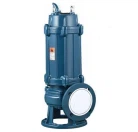

Some motors are also designed to be more resistant to moisture and corrosion, which is important in a sewage pumping environment. Additionally, motors with built - in overload protection can prevent damage in case of a sudden increase in load.
6. Ease of Maintenance
A reliable uphill sewage pump should be easy to maintain. This includes easy access to components for inspection and repair. For example, the pump should have removable covers or access panels that allow you to reach the impeller, seals, and other parts without too much hassle.
The availability of spare parts is also an important factor. You want to choose a pump from a supplier who can provide you with readily available spare parts, so you can quickly replace any worn - out components and minimize downtime.
7. Manufacturer Reputation
The reputation of the manufacturer can say a lot about the reliability of the pump. Look for a manufacturer with a proven track record in producing high - quality sewage pumps. You can check online reviews, industry ratings, and customer testimonials to get an idea of the manufacturer's reputation.
A reputable manufacturer will also offer good customer support, including technical assistance and warranty services. This can give you peace of mind knowing that you have someone to turn to if you encounter any problems with your pump.
Conclusion
Evaluating the reliability of an uphill sewage pump involves considering multiple factors, from the pump's material and build quality to its performance, energy efficiency, anti - clogging design, motor reliability, ease of maintenance, and the manufacturer's reputation. By paying attention to these indicators, you can make an informed decision and choose a pump that will meet your needs and provide reliable service for years to come.
If you're in the market for an uphill sewage pump, I'd love to help you find the right one for your application. Whether you have questions about our products or need advice on system design, feel free to reach out. Let's start a conversation about how we can meet your sewage pumping requirements!
References
- "Sewage Pump Handbook", published by Pump Industry Association
- "Energy - Efficient Pumping Systems", a research paper by the Institute of Energy Studies
- Manufacturer's technical documentation for various sewage pumps