

Hey there! As a supplier of Non Clog Sewage Pumps, I often get asked about the hygiene requirements for these pumps when they're used in a hospital setting. Hospitals are places where cleanliness and sanitation are of the utmost importance, so it's crucial that the sewage pumps used there meet strict hygiene standards. In this blog post, I'll break down the key hygiene requirements for Non Clog Sewage Pumps in hospitals and explain why they matter.
1. Material Selection
First off, the materials used to make the sewage pump play a huge role in maintaining hygiene. The pump should be made from materials that are resistant to corrosion and easy to clean. Stainless steel is a popular choice for hospital sewage pumps because it's durable, corrosion-resistant, and can withstand harsh chemicals used for cleaning. It also doesn't harbor bacteria or other pathogens, which is essential in a healthcare environment.
Another important aspect of material selection is the smoothness of the pump's interior surfaces. Rough surfaces can trap dirt, debris, and bacteria, making it difficult to clean and increasing the risk of contamination. A Non Clog Sewage Pump with smooth interior surfaces allows for easy flow of sewage and reduces the chances of blockages and the buildup of harmful substances.
2. Sealing and Leakage Prevention
Proper sealing is vital to prevent the leakage of sewage, which can pose a significant hygiene risk. In a hospital, any leakage of sewage can contaminate the surrounding environment, leading to the spread of diseases and infections. The pump should have high-quality seals that are designed to withstand the pressure and chemicals in the sewage system.
Regular maintenance and inspection of the seals are also necessary to ensure they remain in good condition. If a seal is damaged or worn out, it should be replaced immediately to prevent leakage. Additionally, the pump should be installed in a way that minimizes the risk of external contamination, such as by using proper gaskets and fittings.
3. Anti-Clogging Design
As the name suggests, a Non Clog Sewage Pump is designed to prevent blockages. In a hospital, where the sewage may contain a variety of solid materials such as bandages, cotton balls, and medical waste, an anti-clogging design is essential. A pump with a large passageway and a special impeller design can handle these solid materials without getting clogged.
This not only ensures the proper functioning of the pump but also reduces the need for frequent maintenance and cleaning. When a pump is clogged, it can cause backups and overflows, which can lead to hygiene issues and damage to the sewage system. By using a Non Clog Sewage Pump with an effective anti-clogging design, hospitals can avoid these problems and maintain a clean and safe environment.
4. Easy Cleaning and Maintenance
Hospitals have strict cleaning schedules to maintain a high level of hygiene. Therefore, the Non Clog Sewage Pump should be easy to clean and maintain. It should have accessible parts that can be easily disassembled for cleaning and inspection. Some pumps come with self-cleaning features, which can help reduce the manual cleaning effort.
Regular maintenance, including lubrication of moving parts, checking for wear and tear, and replacing filters, is also necessary to keep the pump in good working condition. By following a proper maintenance schedule, hospitals can ensure that the sewage pump operates efficiently and hygienically.
5. Compliance with Standards
Non Clog Sewage Pumps used in hospitals must comply with relevant national and international standards for hygiene and safety. These standards ensure that the pumps are designed and manufactured to meet the specific requirements of healthcare facilities. For example, the pump may need to meet standards related to the prevention of cross-contamination, the use of safe materials, and the proper handling of medical waste.
Compliance with these standards not only ensures the safety and hygiene of the hospital environment but also provides peace of mind for hospital administrators and staff. When choosing a Non Clog Sewage Pump, it's important to look for pumps that are certified to meet these standards.
Our Product Range
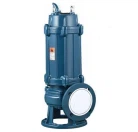
At our company, we offer a wide range of Non Clog Sewage Pumps that are specifically designed to meet the hygiene requirements of hospitals. Our Pipeline Non-Clogging Sewage Pump is ideal for applications where space is limited and a high flow rate is required. It features a compact design and a large passageway to prevent clogging.
Our Upright Non-Clogging Sewage Pump is suitable for vertical installation and can handle a variety of sewage types. It has a robust construction and is made from high-quality materials to ensure long-term durability and hygiene.
For applications where self-priming is required, our Self-Priming Sewage Pump is a great choice. It can quickly prime itself and start pumping sewage without the need for external priming. It also has an anti-clogging design and is easy to maintain.

Conclusion
In conclusion, the hygiene requirements for a Non Clog Sewage Pump used in a hospital are crucial for maintaining a clean and safe healthcare environment. By choosing a pump that meets the material, sealing, anti-clogging, cleaning, and standard requirements, hospitals can ensure the proper functioning of their sewage systems and reduce the risk of contamination.
If you're a hospital administrator or involved in the procurement of sewage pumps, I encourage you to reach out to us to discuss your specific needs. We're here to help you find the right Non Clog Sewage Pump for your hospital and ensure that it meets all the necessary hygiene standards. Let's work together to keep your hospital's sewage system running smoothly and hygienically.
References
- World Health Organization. (2019). Guidelines on environmental health in health-care settings.
- American Society of Mechanical Engineers. (2020). ASME standards for pumps and pumping systems.
- National Fire Protection Association. (2021). NFPA codes and standards for healthcare facilities.