

As a supplier of Non Clog Sewage Pumps, I've witnessed firsthand the unique challenges that come with using these pumps in high - rise buildings. High - rise buildings, with their complex plumbing systems and large volumes of wastewater, present a set of difficulties that require careful consideration when selecting and operating a non - clog sewage pump.
1. Vertical Lift and Pressure Requirements
One of the most significant challenges in high - rise buildings is the vertical lift that the sewage pump must achieve. As the height of the building increases, the pump needs to generate enough pressure to push the sewage upwards against gravity. This places a high demand on the pump's power and performance.
For instance, in a typical high - rise building, the sewage from lower floors may need to be lifted several stories to reach the main sewer line. A non - clog sewage pump must be able to handle this vertical lift without clogging, even when dealing with solid waste and debris. The pump's impeller design plays a crucial role here. A well - designed impeller can cut through solids and ensure smooth flow, but as the pressure requirements increase, the risk of clogging also rises.
Moreover, the higher the vertical lift, the more energy the pump consumes. This not only increases the operating cost but also puts additional stress on the pump's motor and other components. Over time, this can lead to premature wear and tear, reducing the pump's lifespan.
2. High Volume and Variable Flow Rates
High - rise buildings generate a large volume of sewage, and the flow rate can vary significantly throughout the day. During peak hours, such as in the morning when residents are getting ready for work or in the evening after dinner, the flow rate can be much higher than during off - peak hours.
A non - clog sewage pump must be able to handle these variable flow rates without clogging. When the flow rate is high, there is a greater chance of large solids and debris being carried into the pump. If the pump is not designed to handle these high - volume surges, it can quickly become clogged.
On the other hand, during low - flow periods, the reduced velocity of the sewage can cause solids to settle in the pump and pipes. This can lead to blockages and reduce the efficiency of the pump. To address this challenge, some non - clog sewage pumps are equipped with features such as automatic cleaning cycles or adjustable speed drives. These features can help maintain a consistent flow and prevent clogging.
3. Solid Waste Composition
The composition of solid waste in high - rise buildings can be quite complex. In addition to the usual household waste, such as toilet paper, food scraps, and small pieces of plastic, high - rise buildings may also generate larger items like sanitary products, wipes, and construction debris (in case of renovation or construction work).
Non - clog sewage pumps need to be able to handle this diverse range of solid waste. Some pumps are designed with special cutting mechanisms to break down larger solids into smaller pieces that can be easily pumped through the system. However, even with these cutting mechanisms, certain types of materials, such as fibrous or stringy substances, can still pose a challenge. These materials can wrap around the impeller or other pump components, causing clogging and reducing the pump's performance.
4. Space Constraints
In high - rise buildings, space is often at a premium. The pump room, where the sewage pumps are installed, may be small and cramped. This can make it difficult to install, maintain, and repair the non - clog sewage pumps.
During installation, the limited space may restrict the type of pump that can be used. For example, some larger pumps may not fit into the available space, forcing the building owners to choose a smaller, less powerful pump. This can lead to problems if the pump is not capable of handling the building's sewage volume.
Maintenance and repair work also become more challenging in a confined space. Technicians may have difficulty accessing the pump components, which can increase the time and cost of maintenance. In addition, the lack of proper ventilation in a small pump room can cause the pump to overheat, further reducing its lifespan.
5. Noise and Vibration
High - rise buildings are often occupied by residents or businesses, and noise and vibration from the sewage pumps can be a major concern. The operation of a non - clog sewage pump can generate significant noise and vibration, especially when the pump is working under high pressure or handling large volumes of sewage.
Excessive noise can be a nuisance to the building occupants, and vibration can cause damage to the pump and the surrounding infrastructure. To reduce noise and vibration, special mounting systems and sound - insulating materials can be used. However, these additional measures can increase the cost of the pump installation and maintenance.
6. Compatibility with Existing Plumbing Systems
High - rise buildings usually have existing plumbing systems that may have been installed over a long period of time. These systems may have different pipe sizes, materials, and configurations. Ensuring compatibility between the non - clog sewage pump and the existing plumbing system is crucial.
If the pump is not compatible with the pipes, it can lead to issues such as leaks, reduced flow rates, and increased pressure drop. For example, if the pump's discharge pipe is not the right size or material, it can cause the sewage to back up or the pump to work harder than necessary.
Solutions and Recommendations
Despite these challenges, there are several solutions available to ensure the efficient operation of non - clog sewage pumps in high - rise buildings.
Pump Selection
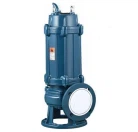
When selecting a non - clog sewage pump, it is essential to consider the building's specific requirements, such as the vertical lift, flow rate, and solid waste composition. At our company, we offer a range of non - clog sewage pumps, including the Upright Non - Clogging Sewage Pump, Pipeline Non - Clogging Sewage Pump, and Self - Priming Sewage Pump. These pumps are designed with advanced impeller technology and cutting mechanisms to handle a variety of solid waste and high - pressure applications.
Regular Maintenance
Regular maintenance is key to preventing clogging and ensuring the long - term performance of the pump. This includes inspecting the pump components, cleaning the impeller, and checking the seals and bearings. Our company provides comprehensive maintenance services to help building owners keep their pumps in optimal condition.
Monitoring and Control Systems
Installing monitoring and control systems can help detect potential problems early and prevent major breakdowns. These systems can monitor the pump's performance, such as the flow rate, pressure, and power consumption, and alert the building management if any abnormalities are detected.
Training
Proper training for the building maintenance staff is also important. They should be familiar with the operation and maintenance of the non - clog sewage pump to ensure its correct use and timely troubleshooting.
Conclusion
Using a non - clog sewage pump in a high - rise building presents a number of challenges, including vertical lift and pressure requirements, high volume and variable flow rates, complex solid waste composition, space constraints, noise and vibration issues, and compatibility with existing plumbing systems. However, with the right pump selection, regular maintenance, monitoring and control systems, and proper training, these challenges can be overcome.
If you are facing challenges with your high - rise building's sewage pumping system or are in the process of selecting a non - clog sewage pump, we are here to help. Our team of experts can provide you with customized solutions based on your specific needs. Contact us today to start a discussion about your requirements and explore how our non - clog sewage pumps can meet your high - rise building's demands.

References
- "Sewage Pump Handbook" by Pump Manufacturers Association
- "High - Rise Building Plumbing Design and Installation" by Building Plumbing Institute
- Industry research reports on sewage pump performance in high - rise buildings