

As a supplier of uphill sewage pumps, I understand the importance of reducing noise levels in these essential devices. Excessive noise from sewage pumps can be a nuisance, not only for the users but also for the surrounding environment. In this blog post, I will share some effective strategies to reduce the noise of an uphill sewage pump.
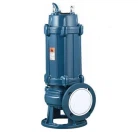

Understanding the Sources of Noise
Before we delve into the solutions, it's crucial to understand the common sources of noise in uphill sewage pumps. These sources can be broadly categorized into mechanical and hydraulic factors.
Mechanical Sources
- Motor Vibrations: The motor is the heart of the sewage pump, and its vibrations can generate significant noise. Loose motor mounts, worn bearings, or unbalanced rotors can exacerbate these vibrations.
- Impeller Imbalance: An imbalanced impeller can cause the pump to vibrate and produce noise. This can occur due to wear and tear, debris accumulation, or manufacturing defects.
- Belt and Pulley Issues: If the pump uses a belt and pulley system, misalignment, loose belts, or worn pulleys can create noise.
Hydraulic Sources
- Cavitation: Cavitation occurs when the pressure in the pump drops below the vapor pressure of the liquid, causing the formation and collapse of vapor bubbles. This process can generate loud noise and damage the pump components.
- Turbulence: High - velocity flow and turbulence within the pump can also produce noise. This can be caused by improper pipe sizing, bends in the pipeline, or a mismatch between the pump and the system requirements.
Strategies to Reduce Noise
1. Proper Installation
- Mounting: Ensure that the sewage pump is properly mounted on a stable and vibration - isolating base. Rubber mounts or vibration pads can be used to absorb the vibrations generated by the pump. This helps to prevent the transmission of vibrations to the surrounding structure, which can amplify the noise.
- Pipework: Use flexible connectors in the pipework to reduce the transmission of vibrations from the pump to the pipes. Additionally, ensure that the pipes are properly supported and secured to prevent rattling. Avoid sharp bends and elbows in the pipeline, as these can cause turbulence and increase noise levels.
2. Regular Maintenance
- Motor and Impeller Inspection: Regularly inspect the motor and impeller for signs of wear, damage, or imbalance. Replace worn bearings, belts, and pulleys as needed. Balancing the impeller can significantly reduce vibrations and noise.
- Cleaning: Keep the pump and its components clean to prevent the accumulation of debris, which can cause imbalances and increase noise. Regularly flush the pump and the pipeline to remove any sediment or foreign objects.
3. Selecting the Right Pump
- Pump Size and Capacity: Choose a sewage pump that is appropriately sized for the application. An oversized pump can operate at low flow rates, which can lead to cavitation and noise. On the other hand, an undersized pump may have to work harder, generating more noise.
- Pump Type: Different types of sewage pumps have different noise characteristics. For example, Pipeline Non - Clogging Sewage Pump are designed to handle solids and can operate more quietly in some applications. Upright Non - Clogging Sewage Pump are also known for their efficient and relatively quiet operation. And Self - Priming Sewage Pump can be a good choice for applications where the pump needs to prime itself, and they can be engineered to minimize noise.
4. Noise Enclosures
- Acoustic Enclosures: Install an acoustic enclosure around the sewage pump. These enclosures are designed to absorb and dampen the noise generated by the pump. They are typically made of sound - absorbing materials such as fiberglass or foam and can significantly reduce the noise levels. However, ensure that the enclosure allows for proper ventilation to prevent overheating of the pump.
5. System Design Optimization
- Pipe Sizing: Optimize the pipe sizing to ensure a smooth and laminar flow of sewage. A properly sized pipe reduces turbulence and pressure drops, which in turn reduces noise. Use hydraulic calculations to determine the appropriate pipe diameter based on the flow rate and the characteristics of the pump.
- Flow Control: Install flow control devices such as valves to regulate the flow rate of the sewage. This can help to prevent cavitation and maintain a stable operation of the pump, reducing noise.
Case Studies
Let's take a look at a few real - world examples of how these strategies have been successfully implemented to reduce the noise of uphill sewage pumps.
Case Study 1: Residential Complex
A residential complex was experiencing high noise levels from the uphill sewage pumps installed in the basement. The pumps were causing a lot of disturbance to the residents. After a thorough inspection, it was found that the pumps were not properly mounted, and the pipework had several sharp bends. The maintenance team replaced the rigid pipe connectors with flexible ones, added rubber mounts to the pumps, and redesigned the pipework to eliminate sharp bends. As a result, the noise levels were reduced by more than 50%, and the residents were much more satisfied.
Case Study 2: Industrial Facility
An industrial facility was using an oversized uphill sewage pump, which was operating at low flow rates and causing cavitation. The constant noise was affecting the working environment. The facility management decided to replace the pump with a properly sized one and installed an acoustic enclosure around it. They also optimized the pipe sizing and added flow control valves. These measures not only reduced the noise significantly but also improved the overall efficiency of the sewage pumping system.
Conclusion
Reducing the noise of an uphill sewage pump is essential for improving the user experience and minimizing the impact on the surrounding environment. By understanding the sources of noise and implementing the strategies mentioned above, such as proper installation, regular maintenance, selecting the right pump, using noise enclosures, and optimizing the system design, significant noise reduction can be achieved.
If you are facing noise issues with your uphill sewage pumps or are in the market for a new, quiet - operating sewage pump, we are here to help. As a leading supplier of uphill sewage pumps, we have a wide range of high - quality products to meet your specific needs. Our team of experts can provide you with professional advice on pump selection, installation, and maintenance to ensure that you get the most efficient and quiet - running sewage pumping solution. Contact us today to start a discussion about your requirements and explore how we can assist you in reducing the noise of your sewage pumping system.
References
- Karassik, I. J., Messina, J. P., Cooper, P. T., & Heald, C. C. (2008). Pump Handbook. McGraw - Hill.
- Idelchik, I. E. (2007). Handbook of Hydraulic Resistance. Begell House.
- ANSI/HI 9.6.6 - 2014, Rotodynamic Pumps - Guideline for Vibration Measurement and Allowable Values. Hydraulic Institute.