

How to Choose a Self Priming Sludge Pump
As a supplier of self priming sludge pumps, I understand the challenges that customers face when it comes to selecting the right pump for their specific needs. Self priming sludge pumps are crucial in various industries, including wastewater treatment, mining, and construction, where they are used to transfer sludge, slurry, and other viscous fluids. In this blog post, I will share some key factors to consider when choosing a self priming sludge pump.
Flow Rate and Head Requirements
The first step in choosing a self priming sludge pump is to determine the required flow rate and head. The flow rate refers to the volume of fluid that the pump needs to move per unit of time, typically measured in gallons per minute (GPM) or cubic meters per hour (m³/h). The head, on the other hand, is the height or pressure that the pump needs to overcome to move the fluid from the source to the destination.
To calculate the flow rate and head requirements, you need to consider the following factors:
- Application: Different applications have different flow rate and head requirements. For example, a wastewater treatment plant may require a higher flow rate and head compared to a small-scale construction site.
- Distance and Elevation: The distance between the source and the destination, as well as the elevation difference, will affect the head requirement. Longer distances and higher elevations will require a pump with a higher head.
- Pipe Size and Friction Loss: The size of the pipes used in the system and the friction loss within the pipes will also impact the flow rate and head requirements. Smaller pipes and higher friction losses will require a pump with a higher flow rate and head.
Once you have determined the required flow rate and head, you can select a pump that can meet these specifications. It is important to choose a pump with a slightly higher flow rate and head than your actual requirements to ensure that the pump can operate efficiently under different conditions.
Solids Handling Capacity
Another important factor to consider when choosing a self priming sludge pump is its solids handling capacity. Sludge and slurry often contain solid particles of various sizes and shapes, which can cause clogging and damage to the pump if not properly handled.

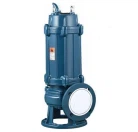
The solids handling capacity of a pump is typically measured in terms of the maximum particle size and the percentage of solids that the pump can handle. When selecting a pump, you need to consider the size and type of solids present in the fluid, as well as the concentration of solids.
For applications with large solid particles, such as mining and construction, you may need a pump with a higher solids handling capacity. Pumps with open impellers or vortex impellers are often preferred for these applications, as they can handle larger particles without clogging.
On the other hand, for applications with smaller solid particles, such as wastewater treatment, a pump with a more efficient impeller design may be sufficient. Pumps with semi-open impellers or enclosed impellers can provide better performance and efficiency for handling smaller particles.
Material of Construction
The material of construction of the pump is also an important consideration, especially when dealing with corrosive or abrasive fluids. The pump components that come into contact with the fluid, such as the impeller, casing, and shaft, need to be made of materials that can withstand the chemical and physical properties of the fluid.
Common materials used in the construction of self priming sludge pumps include cast iron, stainless steel, and rubber. Cast iron is a cost-effective option for applications where corrosion is not a major concern. Stainless steel is more resistant to corrosion and is often used in applications where the fluid is acidic or contains chemicals. Rubber is a flexible material that can provide good abrasion resistance and is commonly used in the impellers and casings of pumps.
When selecting a pump, you need to consider the chemical composition of the fluid, as well as the temperature and pressure conditions. It is important to choose a pump with materials that are compatible with the fluid to ensure long-term reliability and performance.
Self Priming Capability
As the name suggests, self priming sludge pumps have the ability to prime themselves without the need for external priming devices. This is a significant advantage, especially in applications where the pump needs to be started and stopped frequently or where the suction line is above the fluid level.
The self priming capability of a pump is determined by its design and the presence of a priming chamber. Pumps with a larger priming chamber and a more efficient priming mechanism will have better self priming performance.
When choosing a self priming sludge pump, you need to consider the maximum suction lift that the pump can achieve. The suction lift is the vertical distance between the fluid level and the pump inlet. A higher suction lift means that the pump can be located further away from the fluid source, which can be beneficial in some applications.
Efficiency and Energy Consumption
Efficiency and energy consumption are important factors to consider when choosing a self priming sludge pump, especially in applications where the pump will be operating continuously or for long periods of time. A more efficient pump will consume less energy, which can result in significant cost savings over the life of the pump.
The efficiency of a pump is typically measured in terms of its hydraulic efficiency and overall efficiency. Hydraulic efficiency refers to the ability of the pump to convert the input power into hydraulic power, while overall efficiency takes into account the mechanical and electrical losses in the pump.
When selecting a pump, you need to compare the efficiency ratings of different pumps and choose a pump with a higher efficiency. It is also important to consider the power consumption of the pump and choose a pump that is compatible with your power supply.
Maintenance and Serviceability
Finally, you need to consider the maintenance and serviceability of the pump when making your selection. A pump that is easy to maintain and service will require less downtime and can save you time and money in the long run.
When choosing a pump, you need to consider the following factors:
- Accessibility: The pump should be designed in such a way that it is easy to access the internal components for maintenance and repair.
- Replaceable Parts: The pump should have replaceable parts that are readily available in the market. This will make it easier to replace worn-out parts and keep the pump in good working condition.
- Service and Support: Choose a pump supplier that offers good service and support, including technical assistance, maintenance training, and spare parts availability.
Conclusion
Choosing the right self priming sludge pump is crucial for ensuring efficient and reliable operation in various industries. By considering the factors discussed in this blog post, such as flow rate and head requirements, solids handling capacity, material of construction, self priming capability, efficiency, and maintenance, you can select a pump that meets your specific needs.
As a supplier of self priming sludge pumps, I am committed to providing high-quality pumps and excellent customer service. If you have any questions or need assistance in choosing the right pump for your application, please do not hesitate to [contact us for procurement and negotiation]. We look forward to working with you to find the best solution for your pumping needs.
References
- Hydraulic Institute. (2023). Pump Application Manual.
- American Petroleum Institute. (2022). API 610: Centrifugal Pumps for Petroleum, Heavy Duty Chemical, and Gas Industry Services.
- International Organization for Standardization. (2021). ISO 9906: Rotodynamic Pumps - Hydraulic Performance Acceptance Tests.