

When it comes to sewage management, non clog sewage pumps play a pivotal role. As a supplier of non clog sewage pumps, I've witnessed firsthand how the pressure rating of these pumps can significantly impact their use. In this blog post, I'll delve into the details of how pressure rating affects the performance, application, and overall efficiency of non clog sewage pumps.
Understanding Pressure Rating in Non Clog Sewage Pumps
The pressure rating of a non clog sewage pump refers to the maximum pressure that the pump can generate and withstand during operation. It is typically measured in pounds per square inch (PSI) or bars. This rating is a crucial specification as it determines the pump's ability to move sewage through pipes, overcome resistance, and reach the desired discharge point.
Impact on Pump Performance
The pressure rating directly influences the performance of a non clog sewage pump. A pump with a higher pressure rating can generate more force, allowing it to push sewage over longer distances and through pipes with smaller diameters. This is particularly important in applications where the sewage needs to be transported vertically or over a significant horizontal distance.
For example, in a multi - story building, a non clog sewage pump with a high pressure rating is required to lift sewage from the lower floors to the main sewer line. Without sufficient pressure, the sewage may not be able to reach the desired height, leading to backups and blockages.
On the other hand, if a pump with a lower pressure rating is used in a system that requires high pressure, the pump may struggle to perform, resulting in reduced flow rates and inefficient operation. This can lead to increased energy consumption as the pump has to work harder to achieve the desired results.
Application Considerations
The pressure rating of a non clog sewage pump also dictates its suitability for different applications. In residential settings, where sewage is typically transported over short distances and at relatively low elevations, a pump with a lower pressure rating may be sufficient. However, in commercial or industrial applications, where large volumes of sewage need to be transported over long distances or to higher elevations, a pump with a higher pressure rating is essential.
In industrial facilities, such as factories or processing plants, the sewage may contain a higher concentration of solids and debris. A high - pressure non clog sewage pump can effectively handle these challenging conditions by providing enough force to move the sewage through the pipes without getting clogged.
Compatibility with Pipeline Systems
The pressure rating of a non clog sewage pump must be compatible with the pipeline system it is connected to. If the pressure rating of the pump is too high for the pipeline, it can cause excessive stress on the pipes, leading to leaks, bursts, or other damage. Conversely, if the pressure rating is too low, the sewage may not flow properly through the pipes, resulting in blockages.
When selecting a non clog sewage pump, it is important to consider the diameter, length, and material of the pipeline. For example, a pipeline made of a more flexible material may require a lower pressure rating to prevent damage. Additionally, longer pipelines or those with multiple bends and fittings may require a pump with a higher pressure rating to overcome the increased resistance.
Types of Non Clog Sewage Pumps and Their Pressure Ratings
There are several types of non clog sewage pumps available in the market, each with its own pressure rating characteristics.
- Pipeline Non - Clogging Sewage Pump: These pumps are designed to be installed directly into the pipeline system. They are known for their compact design and high - efficiency operation. The pressure rating of Pipeline Non - Clogging Sewage Pump can vary depending on the model and size, but they are generally suitable for applications where moderate pressure is required.
- Self - Priming Sewage Pump: Self - priming pumps are capable of automatically removing air from the suction line and priming themselves. They are often used in applications where the pump is located above the sewage level. The pressure rating of Self - Priming Sewage Pump can range from low to high, depending on the specific requirements of the application.
- Upright Non - Clogging Sewage Pump: These pumps are designed to be installed vertically and are commonly used in applications where space is limited. The pressure rating of Upright Non - Clogging Sewage Pump can be quite high, making them suitable for applications where sewage needs to be lifted to significant heights.
Energy Efficiency and Pressure Rating
The pressure rating of a non clog sewage pump also has an impact on its energy efficiency. A pump that is properly sized and has an appropriate pressure rating for the application will operate more efficiently, consuming less energy. This is because the pump does not have to work harder than necessary to achieve the desired flow and pressure.
On the other hand, an oversized pump with a higher pressure rating than required will consume more energy than needed, leading to increased operating costs. Therefore, it is important to select a pump with the right pressure rating to ensure optimal energy efficiency.
Maintenance and Pressure Rating
The pressure rating of a non clog sewage pump can also affect its maintenance requirements. A pump operating at a high pressure may experience more wear and tear on its components, such as the impeller, seals, and bearings. This means that regular maintenance and inspection are crucial to ensure the pump's longevity and reliable operation.
Additionally, if the pressure rating is not properly matched to the application, it can lead to premature failure of the pump. For example, if a pump is operating at a pressure higher than its rated capacity, it can cause excessive stress on the components, leading to breakdowns and costly repairs.
Selecting the Right Pressure Rating
When selecting a non clog sewage pump, it is essential to consider the specific requirements of the application. Here are some factors to keep in mind:
- Distance and Elevation: Determine the horizontal and vertical distance that the sewage needs to be transported. This will help you determine the minimum pressure rating required.
- Flow Rate: Consider the volume of sewage that needs to be pumped per unit of time. A higher flow rate may require a pump with a higher pressure rating.
- Pipeline Characteristics: Take into account the diameter, length, and material of the pipeline. This will help you determine the resistance that the pump needs to overcome.
- Sewage Composition: If the sewage contains a high concentration of solids or debris, a pump with a higher pressure rating may be required to prevent clogging.
Conclusion
The pressure rating of a non clog sewage pump is a critical factor that affects its performance, application, compatibility with pipeline systems, energy efficiency, and maintenance requirements. As a supplier, I understand the importance of selecting the right pump with the appropriate pressure rating for each specific application.
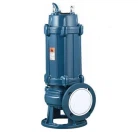

If you are in the market for a non clog sewage pump, I encourage you to contact us for a detailed consultation. Our team of experts can help you select the right pump based on your specific needs and ensure that you get the best performance and value for your investment. Whether you need a Pipeline Non - Clogging Sewage Pump, a Self - Priming Sewage Pump, or an Upright Non - Clogging Sewage Pump, we have the solution for you.
References
- "Pump Handbook" by Igor J. Karassik et al.
- "Sewage Treatment and Disposal" by American Society of Civil Engineers.