

Hey there! As a supplier of diaphragm sewage pumps, I've seen firsthand how particle size can have a huge impact on the operation of these pumps. In this blog post, I'll break down the relationship between particle size and diaphragm sewage pump performance, share some real - world examples, and give you some tips on how to deal with different particle sizes.
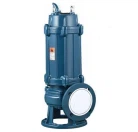

Let's start with the basics. A diaphragm sewage pump works by using a flexible diaphragm that moves back and forth to create a pumping action. This draws in sewage and then pushes it out through the outlet. But when it comes to handling particles in the sewage, things can get a bit tricky.
Small Particle Sizes
When dealing with small particles, say those less than 1 mm in diameter, the diaphragm sewage pump generally operates smoothly. Small particles can easily pass through the pump's passages without causing blockages. They flow along with the liquid sewage, and the diaphragm can move freely without being obstructed.
For instance, in a household sewage system where most of the particles are from human waste and small bits of toilet paper, the pump can handle these small particles without much issue. The small size means they don't put excessive wear and tear on the diaphragm or other internal components. The efficiency of the pump remains high, and the energy consumption is relatively stable.
However, small particles can still cause problems over time. If the small particles are abrasive, like fine sand or some industrial powders, they can gradually wear down the diaphragm. This abrasion can lead to leaks in the diaphragm, reducing the pump's performance and potentially causing it to fail. Regular maintenance, such as checking the diaphragm for wear and replacing it when necessary, is crucial to keep the pump working well.
Medium Particle Sizes
Particles in the range of 1 - 10 mm in diameter are where things start to get more challenging. These medium - sized particles can sometimes get stuck in the pump's narrow passages or around the diaphragm. For example, in a commercial kitchen sewage system, there might be small food scraps that fall into this size range.
When a medium - sized particle gets trapped, it can disrupt the smooth movement of the diaphragm. The pump may start to make unusual noises as it struggles to push the particle through. This can also lead to a decrease in the pump's flow rate. The pressure inside the pump may increase as the pump tries to force the particle out, which can put additional stress on the diaphragm and other components.
To deal with medium - sized particles, some diaphragm sewage pumps are designed with larger passages or special anti - clogging features. For example, our company offers pumps with wider inlet and outlet ports to allow medium - sized particles to pass through more easily. You can also check out our Pipeline Non - Clogging Sewage Pump, which is specifically designed to handle various particle sizes, including medium - sized ones.
Large Particle Sizes
Particles larger than 10 mm in diameter are a major headache for diaphragm sewage pumps. These large particles, such as large food chunks in a restaurant sewage system or pieces of debris from a construction site, can completely block the pump. When a large particle gets lodged in the pump, it can stop the diaphragm from moving altogether.
This blockage not only stops the flow of sewage but can also cause significant damage to the pump. The motor may overheat as it tries to overcome the blockage, leading to motor failure. The diaphragm can be severely damaged, and other internal parts may break under the excessive pressure.
In situations where large particles are expected, it's important to have a pre - treatment system in place. This could be a screen or a grinder that breaks down the large particles into smaller ones before they enter the pump. Our Self - Priming Sewage Pump can work well in combination with a pre - treatment system to handle sewage with large particles more effectively.
Real - World Impact
I've seen many cases where particle size has affected the operation of diaphragm sewage pumps. In a small factory that was discharging industrial waste into the sewage system, the presence of large metal shavings caused repeated pump failures. The shavings were too large for the pump to handle, and they kept getting stuck in the pump's internal parts. After installing a pre - treatment system with a magnetic separator to remove the metal shavings and upgrading to a more robust pump, the problem was solved.
In another instance, a hotel with a poorly maintained sewage system had issues with medium - sized food particles clogging the pump. Once they started using our Upright Non - Clogging Sewage Pump and implemented a better waste management system in the kitchen, the pump performance improved significantly.
Tips for Dealing with Different Particle Sizes
- Know your sewage source: Understand what kind of particles are in the sewage you're pumping. This will help you choose the right pump and pre - treatment system.
- Use pre - treatment: For large and medium - sized particles, use screens, grinders, or separators to reduce the particle size before it enters the pump.
- Regular maintenance: Check the pump regularly for blockages, wear on the diaphragm, and other issues. Replace worn - out parts promptly.
- Choose the right pump: Consider the particle size range in your sewage when selecting a diaphragm sewage pump. Our company offers a variety of pumps designed to handle different particle sizes.
In conclusion, particle size has a significant impact on the operation of a diaphragm sewage pump. Whether it's small, medium, or large particles, each size range presents its own challenges. By understanding these challenges and taking the right steps to deal with them, you can ensure that your diaphragm sewage pump operates efficiently and has a long lifespan.
If you're in the market for a diaphragm sewage pump or need advice on handling different particle sizes, don't hesitate to reach out. We're here to help you find the best solution for your sewage pumping needs.
References
- "Sewage Pump Handbook" - A comprehensive guide on sewage pump design and operation.
- Industry reports on sewage pump performance and particle size effects.