

Sewage pumps are crucial in a variety of settings, from residential homes to large - scale industrial complexes. They are designed to transport sewage and wastewater from one place to another effectively. As a sewage pump supplier, we often encounter questions about how our pumps handle different types of sewage. In this blog, we'll explore the mechanisms and features that enable our sewage pumps to deal with various forms of sewage.
Understanding Different Types of Sewage
Before delving into how sewage pumps handle different types of sewage, it's important to understand the various forms of sewage. Sewage can be generally classified into three main types: domestic sewage, industrial sewage, and stormwater sewage.
Domestic sewage mainly consists of wastewater from household activities such as flushing toilets, bathing, and washing dishes. It contains a mixture of human waste, soap, detergents, and small solid particles like food scraps. Industrial sewage, on the other hand, comes from factories and manufacturing plants. The composition of industrial sewage is highly variable depending on the type of industry. It can contain heavy metals, chemicals, oils, and large or abrasive solid materials. Stormwater sewage is a result of rainfall and snowmelt. It may carry leaves, twigs, dirt, and other debris from the ground surface.
Key Features of Sewage Pumps for Handling Different Sewage
Impeller Design
The impeller is one of the most critical components of a sewage pump. Different impeller designs are used to handle different types of sewage. For domestic sewage, open or semi - open impellers are commonly used. These impellers have a simple structure that allows small solid particles to pass through easily. The open channels in the impeller minimize the risk of clogging, which is essential when dealing with the small debris often found in domestic sewage.
When it comes to industrial sewage with large or abrasive solid materials, closed impellers are a better choice. Closed impellers are more robust and can withstand the wear and tear caused by abrasive substances. They are designed to generate high - pressure flow, which is necessary to move sewage containing heavy solids over longer distances.
Pump Construction Materials
The materials used in the construction of a sewage pump play a vital role in its ability to handle different types of sewage. For domestic sewage, pumps made of cast iron are often sufficient. Cast iron is durable and cost - effective, providing reliable performance for the relatively mild conditions of domestic wastewater.
In the case of industrial sewage, especially when it contains corrosive chemicals, pumps made of stainless steel or other corrosion - resistant materials are required. Stainless steel can withstand the attack of acids, alkalis, and other corrosive substances, ensuring the long - term operation of the pump in harsh industrial environments.

Non - clogging Technology
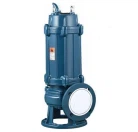
Clogging is a major problem when dealing with sewage. To prevent clogging, our sewage pumps are equipped with advanced non - clogging technologies. For example, the Pipeline Non - Clogging Sewage Pump is designed with a special cutting system. The cutting blades in the pump can shred large solid objects into smaller pieces, allowing them to pass through the pump without causing blockages. This technology is particularly useful for handling sewage that contains long - fibrous materials such as rags and sanitary products.
Handling Different Sewage Types in Specific Situations
Domestic Applications
In domestic settings, our self - priming sewage pumps are a popular choice. The Self - Priming Sewage Pump can automatically fill with water and start pumping without the need for external priming. It is ideal for basements, lift stations, and septic tank systems. The pump's open - impeller design ensures that small solid particles from toilets, sinks, and drains can pass through smoothly. The self - priming feature also makes it easy to install and maintain, as it can handle occasional dry - running situations.
Industrial Applications
In industrial applications, the requirements for sewage pumps are much more demanding. The Upright Non - Clogging Sewage Pump is well - suited for industrial settings. Its upright design allows for easy installation in tight spaces, and its robust construction can withstand the high - pressure and high - flow requirements of industrial sewage systems. The pump's closed impeller and non - clogging technology make it capable of handling large volumes of sewage containing heavy solids and abrasive materials.
Stormwater Management
For stormwater sewage, the ability to handle large volumes of water quickly is crucial. Our sewage pumps are designed with high - flow capabilities to deal with the sudden influx of stormwater. The pumps can also handle the debris carried by stormwater, such as leaves and twigs. The non - clogging features ensure that the pump continues to operate efficiently during heavy rainfall events, preventing flooding in urban areas.
Maintenance and Long - Term Performance
Proper maintenance is essential for ensuring that sewage pumps continue to handle different types of sewage effectively. Regular inspection of the impeller, seals, and other components can help detect and prevent potential problems. For pumps used in industrial settings, more frequent maintenance may be required due to the harsh operating conditions.
We also offer comprehensive after - sales services to our customers. Our team of experts can provide technical support, maintenance training, and replacement parts to ensure the long - term performance of our sewage pumps.
Conclusion
In conclusion, our sewage pumps are designed with a range of features to handle different types of sewage effectively. Whether it's domestic sewage, industrial sewage, or stormwater sewage, our pumps can provide reliable and efficient performance. The impeller design, construction materials, and non - clogging technology all contribute to the pump's ability to transport sewage safely and smoothly.
If you are in the market for a sewage pump or have specific requirements for handling different types of sewage, we invite you to contact us for a detailed consultation. Our experienced sales team can help you select the most suitable pump for your needs and provide you with a competitive quote. Let's work together to find the best sewage pumping solution for your project.
References
- "Sewage Pump Handbook", XYZ Publishing
- "Industrial Wastewater Treatment", ABC Press
- "Domestic Water and Sewage Management", DEF Publications