

Hey there! I'm a supplier of diaphragm sewage pumps, and today I wanna have a chat with you about whether a diaphragm sewage pump requires a special foundation for installation. It's a question that comes up quite often from our customers, so let's dig into it.
First off, let's understand what a diaphragm sewage pump is. These pumps are pretty cool. They use a flexible diaphragm to create a vacuum and pressure, which helps in moving sewage and other wastewater. They're great for handling all sorts of stuff, from solids to liquids, and they're known for being reliable and efficient.
Now, the big question: does it need a special foundation? Well, it depends on a few factors.
Factors Influencing the Need for a Special Foundation
1. Pump Size and Weight
The size and weight of the diaphragm sewage pump play a huge role. If you've got a small, lightweight pump, chances are you won't need a super fancy foundation. These smaller pumps can usually be installed on a flat, stable surface. For example, a little diaphragm pump that you might use for a small residential sewage system can often be placed on a concrete slab or a sturdy platform.
On the other hand, larger pumps are a different story. A heavy-duty diaphragm sewage pump used in an industrial setting can weigh a ton (literally!). These pumps need a solid foundation to support their weight and prevent any movement or vibration. If the pump isn't properly supported, it can lead to all sorts of problems, like misalignment, excessive wear and tear, and even damage to the pump itself.
2. Operating Conditions
The conditions under which the pump will be operating are also important. If the pump is going to be in a place with a lot of vibration, like near other heavy machinery, a special foundation can help dampen that vibration. Vibration can cause all sorts of issues, from loosening bolts to reducing the lifespan of the pump.
Also, consider the environment. If the pump is going to be in a corrosive environment, like a chemical plant or a sewage treatment facility, the foundation needs to be made of materials that can withstand corrosion. Otherwise, the foundation might start to break down over time, which can affect the stability of the pump.
3. Installation Location
Where you're installing the pump matters too. If it's indoors, you might have more options for creating a suitable foundation. You can pour a concrete slab or use a pre - fabricated platform. But if it's outdoors, you need to take into account things like soil conditions. Soft or unstable soil might require a more elaborate foundation, like a deep - seated foundation or a pile foundation, to ensure the pump stays level and stable.
Types of Foundations for Diaphragm Sewage Pumps
1. Concrete Slab Foundation
This is one of the most common types of foundations for diaphragm sewage pumps. A concrete slab provides a flat, stable surface for the pump. It's relatively easy to construct, and it can be customized to fit the size and shape of the pump. You can also embed anchor bolts in the concrete slab to secure the pump in place.
2. Steel Frame Foundation
For some applications, a steel frame foundation might be a better choice. Steel frames are strong and can be designed to support the weight of the pump. They're also more flexible than concrete slabs, which can be useful if you need to make adjustments to the pump's position or if you're working in a space - constrained area.

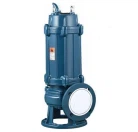
3. Mounting Plates
In some cases, especially for smaller pumps, a simple mounting plate might be sufficient. Mounting plates can be made of steel or other materials and are attached to a wall or a stable surface. They provide a secure base for the pump and can be easily installed.
Benefits of Using a Special Foundation
1. Increased Stability
A special foundation helps keep the pump stable during operation. This reduces the risk of the pump moving or vibrating, which can lead to better performance and fewer maintenance issues.
2. Extended Lifespan
By providing proper support and reducing vibration, a special foundation can help extend the lifespan of the pump. The pump components will experience less stress and wear, which means you won't have to replace them as often.
3. Improved Safety
A stable pump is a safer pump. When the pump is properly supported, there's less risk of it tipping over or causing other accidents. This is especially important in industrial settings where there are other workers and equipment around.
Our Product Range
As a diaphragm sewage pump supplier, we offer a wide range of pumps to suit different needs. We also have Upright Non - Clogging Sewage Pump, Self - Priming Sewage Pump, and Pipeline Non - Clogging Sewage Pump in our product lineup. Each of these pumps has its own unique features and installation requirements, but we can help you determine the best foundation for your specific pump.
Conclusion
So, to answer the question, yes, in many cases, a diaphragm sewage pump does require a special foundation for installation. The size, weight, operating conditions, and installation location all play a role in determining what type of foundation is needed. But don't worry, as a supplier, we're here to help you every step of the way. Whether you need advice on the right foundation or you're looking to purchase a diaphragm sewage pump, we've got you covered.
If you're interested in our diaphragm sewage pumps or have any questions about installation, foundation requirements, or anything else related to sewage pumps, feel free to reach out to us. We'd love to have a chat and see how we can help you with your sewage pumping needs. Let's work together to find the perfect solution for your project!
References
- Pump Handbook, Karassik et al.
- Sewage Treatment Plant Design and Operation Manual