

As a seasoned supplier in the sewage pump industry, I often encounter inquiries regarding the suitability of sewage pumps for various applications, especially in sensitive environments such as hospitals. This blog post aims to explore the feasibility of using sewage pumps in a hospital's sewage system, delving into the specific requirements, challenges, and the types of pumps that can effectively meet these needs.
The Unique Nature of Hospital Sewage
Hospitals generate a distinct type of sewage that differs significantly from that of residential or commercial buildings. Hospital wastewater contains a complex mixture of organic and inorganic materials, including human waste, medical waste, chemicals, pharmaceuticals, and potentially infectious agents. These substances pose unique challenges for sewage management, as they require careful handling to prevent environmental contamination and the spread of diseases.
The presence of solid materials, such as surgical gloves, syringes, and bandages, can cause blockages in the sewage system if not properly managed. Additionally, the chemical and biological contaminants in hospital sewage can be corrosive and harmful to the pump and the surrounding infrastructure. Therefore, a sewage pump used in a hospital must be capable of handling these challenging conditions while maintaining high efficiency and reliability.
Requirements for Sewage Pumps in Hospitals
When selecting a sewage pump for a hospital's sewage system, several key requirements must be considered:
1. Non-Clogging Design
Given the presence of solid materials in hospital sewage, a non-clogging design is essential. Pumps with large passages and special impeller designs can prevent blockages and ensure continuous operation. For example, the Upright Non-Clogging Sewage Pump and Pipeline Non-Clogging Sewage Pump are specifically designed to handle solids without getting clogged, making them ideal for hospital applications.
2. Corrosion Resistance
Hospital sewage often contains chemicals and acids that can corrode the pump components. Therefore, the pump materials must be highly resistant to corrosion. Stainless steel and other corrosion-resistant materials are commonly used in the construction of sewage pumps for hospitals to ensure long-term durability.
3. High Efficiency
Hospitals have a high demand for continuous and reliable sewage disposal. A high-efficiency pump can reduce energy consumption and operating costs while maintaining optimal performance. Self-priming pumps, such as the Self-Priming Sewage Pump, are known for their high efficiency and ease of installation, making them a popular choice for hospital sewage systems.
4. Sanitary Design
To prevent the growth of bacteria and the spread of infections, the pump design should be sanitary. Smooth surfaces and easy-to-clean components can minimize the accumulation of dirt and debris, ensuring a hygienic sewage disposal system.
5. Reliability and Redundancy
In a hospital setting, any disruption in the sewage system can have serious consequences. Therefore, the pump must be highly reliable, with built-in redundancy features to ensure continuous operation in case of a pump failure. Backup pumps and automatic switching systems can provide an extra layer of protection and peace of mind.
Types of Sewage Pumps Suitable for Hospitals
Based on the above requirements, several types of sewage pumps are well-suited for hospital applications:
1. Submersible Sewage Pumps
Submersible sewage pumps are designed to be submerged in the sewage sump, making them ideal for handling large volumes of wastewater. They are typically equipped with a non-clogging impeller and a corrosion-resistant housing, making them suitable for hospital sewage systems. These pumps can be installed directly in the sump, eliminating the need for a separate pump room and reducing the risk of leaks.
2. Self-Priming Sewage Pumps
Self-priming sewage pumps are capable of priming themselves without the need for external priming devices. They are easy to install and operate, making them a popular choice for small to medium-sized hospital sewage systems. The Self-Priming Sewage Pump is designed to handle solids and liquids with ease, providing reliable and efficient sewage disposal.
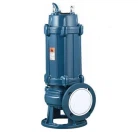

3. Upright Non-Clogging Sewage Pumps
Upright non-clogging sewage pumps are designed to handle large solids without getting clogged. They are typically installed vertically, saving space and making them suitable for applications where space is limited. The Upright Non-Clogging Sewage Pump is a reliable and efficient solution for hospital sewage systems, offering high performance and long-term durability.
4. Pipeline Non-Clogging Sewage Pumps
Pipeline non-clogging sewage pumps are designed to be installed directly in the pipeline, eliminating the need for a separate sump. They are suitable for applications where the sewage needs to be pumped over long distances or to a higher elevation. The Pipeline Non-Clogging Sewage Pump is a compact and efficient solution for hospital sewage systems, providing reliable and continuous operation.
Challenges and Solutions in Hospital Sewage Pumping
While sewage pumps can effectively handle hospital sewage, there are several challenges that need to be addressed:
1. Maintenance and Cleaning
Regular maintenance and cleaning are essential to ensure the proper functioning of the sewage pump. Hospital sewage contains a high concentration of solids and contaminants, which can accumulate in the pump and cause blockages. Therefore, a comprehensive maintenance plan should be implemented, including regular inspections, cleaning, and replacement of worn parts.
2. Noise and Vibration
Sewage pumps can generate noise and vibration, which can be a nuisance in a hospital environment. To minimize the impact of noise and vibration, the pump should be installed on a vibration-absorbing base and equipped with noise-reducing features. Additionally, the pump room should be properly insulated to reduce the transmission of noise.
3. Compliance with Regulations
Hospitals are subject to strict environmental and health regulations regarding sewage disposal. The sewage pump system must comply with these regulations to ensure the safe and proper handling of hospital sewage. Therefore, it is important to choose a pump that meets all relevant standards and regulations.
Conclusion
In conclusion, sewage pumps can be effectively used in a hospital's sewage system, provided that they meet the specific requirements of the hospital environment. Non-clogging design, corrosion resistance, high efficiency, sanitary design, and reliability are key factors to consider when selecting a sewage pump for a hospital. By choosing the right pump and implementing a comprehensive maintenance plan, hospitals can ensure the safe and efficient disposal of sewage, minimizing the risk of environmental contamination and the spread of diseases.
If you are looking for a reliable sewage pump solution for your hospital's sewage system, I encourage you to contact us for a detailed consultation. Our team of experts can help you select the most suitable pump based on your specific requirements and provide you with professional installation and after-sales service. Let's work together to ensure a clean and healthy environment for your hospital.
References
- "Sewage Pump Selection Guide," XYZ Industry Publication, 20XX.
- "Hospital Wastewater Management Best Practices," ABC Environmental Journal, 20XX.
- "Non-Clogging Sewage Pump Technology," DEF Engineering Magazine, 20XX.