

Can a self priming sludge pump be used in marine applications?
As a supplier of self priming sludge pumps, I often get asked whether these pumps are suitable for marine applications. The answer is a resounding yes, but with some important considerations. In this blog post, I'll explore the capabilities of self priming sludge pumps in marine settings, their advantages, limitations, and key factors to consider when using them in such environments.
Understanding Self Priming Sludge Pumps
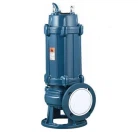
Self priming sludge pumps are designed to handle thick, viscous, and abrasive fluids containing solids. They are capable of automatically removing air from the suction line and priming themselves without the need for external priming devices. This makes them ideal for applications where the pump may be located above the fluid level or where the suction line may be filled with air.
These pumps typically feature a robust construction, with heavy-duty impellers and casings designed to withstand the harsh conditions associated with handling sludge and other abrasive materials. They are also available in a variety of sizes and configurations to meet the specific requirements of different applications.
Advantages of Using Self Priming Sludge Pumps in Marine Applications
There are several advantages to using self priming sludge pumps in marine applications:
- Self Priming Capability: The ability to self prime is a significant advantage in marine environments, where the pump may be located above the waterline or where the suction line may be filled with air. This eliminates the need for external priming devices, reducing installation time and complexity.
- Handling of Abrasive Materials: Marine applications often involve the handling of abrasive materials such as sand, gravel, and sediment. Self priming sludge pumps are designed to handle these materials without significant wear and tear, ensuring long-term reliability and performance.
- Versatility: Self priming sludge pumps can be used in a variety of marine applications, including bilge pumping, ballast water management, dredging, and wastewater treatment. Their versatility makes them a popular choice for many marine operators.
- Ease of Maintenance: These pumps are relatively easy to maintain, with simple designs and accessible components. This reduces downtime and maintenance costs, making them a cost-effective solution for marine applications.
Limitations of Self Priming Sludge Pumps in Marine Applications
While self priming sludge pumps offer many advantages in marine applications, there are also some limitations to consider:
- Limited Suction Lift: Self priming sludge pumps have a limited suction lift, typically ranging from 5 to 8 meters. This means that they may not be suitable for applications where the pump needs to lift the fluid from a significant depth.
- High Power Consumption: These pumps require a relatively high amount of power to operate, especially when handling thick, viscous fluids. This can result in higher operating costs, particularly in applications where the pump is running continuously.
- Noise and Vibration: Self priming sludge pumps can generate significant noise and vibration during operation, which may be a concern in some marine environments. Proper installation and maintenance can help to reduce these issues, but they may still be present to some extent.
Key Factors to Consider When Using Self Priming Sludge Pumps in Marine Applications
When using self priming sludge pumps in marine applications, there are several key factors to consider:

- Fluid Characteristics: The characteristics of the fluid being pumped, such as viscosity, density, and solids content, will have a significant impact on the performance and reliability of the pump. It is important to select a pump that is specifically designed to handle the fluid characteristics of the application.
- Pump Size and Capacity: The size and capacity of the pump will depend on the specific requirements of the application, including the flow rate, head, and suction lift. It is important to select a pump that is appropriately sized to meet the demands of the application.
- Installation and Mounting: Proper installation and mounting of the pump are essential to ensure its performance and reliability. The pump should be installed in a location that is easily accessible for maintenance and inspection, and it should be mounted on a stable foundation to minimize vibration and noise.
- Maintenance and Service: Regular maintenance and service are essential to ensure the long-term performance and reliability of the pump. This includes checking the oil level, inspecting the impeller and casing for wear, and cleaning the suction and discharge lines.
Other Types of Pumps for Marine Applications
In addition to self priming sludge pumps, there are several other types of pumps that are commonly used in marine applications:
- Upright Non-Clogging Sewage Pump: These pumps are designed to handle sewage and other wastewater without clogging. They are typically used in marine applications such as wastewater treatment plants and sewage pumping stations.
- Pipeline Non-Clogging Sewage Pump: These pumps are similar to upright non-clogging sewage pumps, but they are designed to be installed in pipelines. They are commonly used in marine applications where the wastewater needs to be pumped over long distances.
- Self-Priming Sewage Pump: These pumps are similar to self priming sludge pumps, but they are specifically designed to handle sewage and other wastewater. They are commonly used in marine applications such as bilge pumping and wastewater treatment.
Conclusion
In conclusion, self priming sludge pumps can be used in marine applications, offering several advantages such as self priming capability, handling of abrasive materials, versatility, and ease of maintenance. However, they also have some limitations, including limited suction lift, high power consumption, and noise and vibration. When using self priming sludge pumps in marine applications, it is important to consider the fluid characteristics, pump size and capacity, installation and mounting, and maintenance and service.
If you are considering using a self priming sludge pump in a marine application, I encourage you to contact us to discuss your specific requirements. Our team of experts can help you select the right pump for your application and provide you with the support and service you need to ensure its long-term performance and reliability.