

Can a non clogging sewage pump be used in a sump pit?
Sump pits are an essential part of many residential and commercial buildings, especially in areas prone to flooding or high groundwater levels. They collect excess water from around the foundation, preventing water damage and potential structural issues. The choice of pump for a sump pit is crucial, as it directly impacts the efficiency and reliability of the water removal system. One type of pump that often comes into consideration is the non clogging sewage pump. In this blog, as a supplier of Non Clogging Sewage Pumps, I will explore whether a non clogging sewage pump can be used in a sump pit and the associated advantages and considerations.
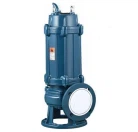

Understanding Non Clogging Sewage Pumps
Non clogging sewage pumps are designed to handle wastewater that contains solids and debris without getting blocked. They are commonly used in sewage systems, industrial applications, and other scenarios where the pumped fluid may contain large particles, such as rags, plastics, and other solid materials. These pumps typically feature a special impeller design, such as a vortex impeller or a cutter impeller, which can break down or bypass solids to ensure continuous operation.
There are different types of non clogging sewage pumps available in the market. For example, the Self - Priming Sewage Pump is capable of priming itself, which means it can draw water into the pump without the need for external priming devices. This is particularly useful in applications where the pump may be located above the water level. The Pipeline Non - Clogging Sewage Pump is designed for direct installation in pipelines, making it suitable for long - distance transportation of sewage. And the Upright Non - Clogging Sewage Pump is often used in situations where space is limited, as it has a vertical structure.
Suitability of Non Clogging Sewage Pumps for Sump Pits
Advantages
- Solid Handling Capability
One of the main advantages of using a non clogging sewage pump in a sump pit is its ability to handle solids. Sump pits can collect all sorts of debris, including leaves, dirt, small rocks, and even some household items that may accidentally find their way into the pit. A non clogging sewage pump can prevent blockages caused by these solids, ensuring that the pump continues to operate effectively. This reduces the risk of pump failure and the need for frequent maintenance and cleaning. - Reliability
Non clogging sewage pumps are generally more reliable than standard sump pumps when it comes to handling challenging wastewater. Their robust design and solid - handling features make them less likely to malfunction due to clogging. This is especially important in sump pit applications, where a pump failure can lead to water backup and potential damage to the building's foundation. - Versatility
These pumps can handle a wide range of flow rates and head pressures. Whether you have a small residential sump pit or a large commercial one, there is likely a non clogging sewage pump that can meet your specific requirements. They can also be used in different types of sump pit systems, such as those with a single pump or multiple pumps for added redundancy.
Considerations
- Cost
Non clogging sewage pumps are usually more expensive than standard sump pumps. The advanced technology and materials used in their construction contribute to the higher cost. However, it's important to consider the long - term benefits, such as reduced maintenance and lower risk of damage, when evaluating the cost - effectiveness of these pumps. - Energy Consumption
Some non clogging sewage pumps may consume more energy than standard sump pumps, especially those with more powerful motors for solid handling. This can lead to higher electricity bills over time. It's essential to choose a pump with an appropriate power rating for your sump pit size and usage requirements to balance performance and energy efficiency. - Installation Requirements
Non clogging sewage pumps may have more complex installation requirements compared to standard sump pumps. They may need additional components, such as check valves or level sensors, to operate properly. Improper installation can affect the pump's performance and lifespan, so it's recommended to have a professional install the pump.
Selecting the Right Non Clogging Sewage Pump for a Sump Pit
When choosing a non clogging sewage pump for a sump pit, several factors need to be considered:
- Flow Rate
The flow rate of the pump should be sufficient to handle the expected water inflow into the sump pit. A pump with a too - low flow rate may not be able to keep up with the water level, while a pump with a too - high flow rate may lead to unnecessary energy consumption. You can calculate the required flow rate based on the size of the sump pit and the average water inflow rate in your area. - Head Pressure
Head pressure refers to the height and distance that the pump needs to lift the water. You need to consider the vertical distance from the sump pit to the discharge point and any horizontal pipe runs. Make sure the pump can generate enough pressure to overcome these resistances. - Solid Handling Capacity
Assess the type and size of solids that are likely to be present in the sump pit. If there are large or tough solids, you may need a pump with a more powerful cutter impeller or a larger solids - passing diameter. - Pump Material
The material of the pump is important for its durability and resistance to corrosion. Common materials for non clogging sewage pumps include cast iron, stainless steel, and thermoplastics. Choose a material that is suitable for the type of wastewater in your sump pit.
Maintenance of Non Clogging Sewage Pumps in Sump Pits
Proper maintenance is crucial to ensure the long - term performance of a non clogging sewage pump in a sump pit. Here are some maintenance tips:
- Regular Inspection
Inspect the pump regularly for any signs of damage, such as leaks, worn parts, or abnormal noises. Check the impeller for any blockages or damage and clean it if necessary. - Clean the Sump Pit
Periodically clean the sump pit to remove any accumulated debris. This helps prevent solids from building up and causing problems for the pump. - Test the Pump
Test the pump regularly to ensure it is working properly. You can do this by manually activating the pump or using a test switch if available. - Replace Worn Parts
Replace any worn or damaged parts, such as seals, gaskets, or bearings, in a timely manner to prevent further damage to the pump.
Conclusion
In conclusion, a non clogging sewage pump can be a great choice for a sump pit, especially if you expect to deal with solids and debris in the wastewater. Its solid - handling capability, reliability, and versatility make it a valuable addition to any sump pit system. However, it's important to consider the cost, energy consumption, and installation requirements before making a decision. By carefully selecting the right pump and following proper maintenance procedures, you can ensure that your sump pit operates effectively and protects your building from water damage.
If you are interested in purchasing a non clogging sewage pump for your sump pit, please feel free to contact us. Our team of experts can help you choose the most suitable pump for your specific needs and provide you with professional installation and after - sales services. Let's work together to ensure the efficient and reliable operation of your sump pit system.
References
- "Sewage Pump Handbook", XYZ Publishing, 20XX
- "Principles of Pump Selection for Sump Pit Applications", ABC Journal, Vol. XX, No. XX, 20XX